Goji berries, also known as wolfberries, are prized for their antioxidant-rich profile and easy growth in a variety of climates. This guide highlights five reliable options for starting goji gardens, whether you’re growing from seeds or purchasing ready-to-plant goji berry plants. Each entry includes key features to help you choose varieties that suit your space, climate, and culinary needs.
| Product | Brand | Highlights |
|---|---|---|
| Earthcare Seeds Tibetan Goji Berry 100 Seeds | Earthcare Seeds | Open-pollinated, drought-tolerant, second-year fruiting |
| TomorrowSeeds Goji Berry Tree Seeds (200+ Count) | TomorrowSeeds | Nutrient-rich berries, adaptable to climates |
| TomorrowSeeds Goji Berry Tree Seeds (600+ Count) | TomorrowSeeds | Same benefits, larger seed count for faster planting options |
| Goji/Wolfberry Plants (Lycium Barbarum) (4 Plants) | Hello Organics | 4 established starter plants; robust growth, edible berries |
| 2 Goji Berry Plants Live, 5-9 Inches | YOKEBOM | Live plants, drought-tolerant, versatile in garden or containers |
Note: This selection covers from seeds to live plants to help you assess options based on your starting point, climate zone, and space. All products originate from reputable sellers and emphasize hardy growth and flavorful berries.
Earthcare Tibetan Goji Berry Seeds
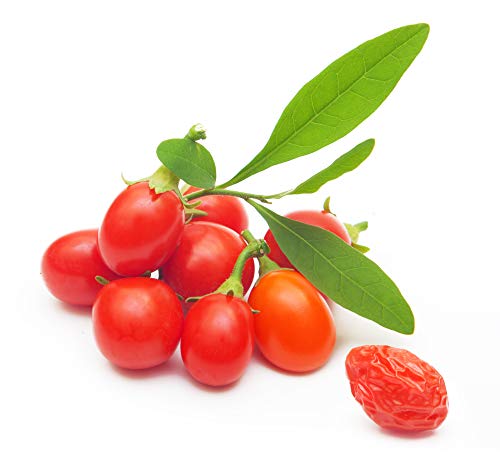
Earthcare Seeds offers Tibetan Goji Berry seeds billed as an heirloom, open-pollinated, and non-GMO option. The description notes a long-lived shrub with prolific fruiting, suitable for zones 5 through 9 and adaptable to most well-drained soils. Drought tolerance is highlighted once established, with fruits typically appearing in the second year from seed. This provides a dependable pathway from seed to a productive plant, making it a sensible choice for gardeners aiming to establish a perennial goji habitat.
TomorrowSeeds Goji Berry Tree Seeds (200+ Count)
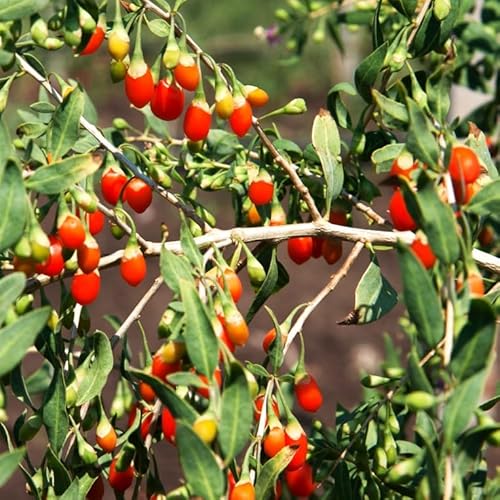
TomorrowSeeds offers a multi-pack seed option claimed to produce nutrient-rich, antioxidant-packed berries. The product emphasizes adaptability to various climates and soils, with vibrant orange-red berries adding color to garden plantings. This option suits gardeners looking for a robust seed batch to establish a goji berry presence across different garden zones.
TomorrowSeeds Goji Berry Tree Seeds (600+ Count)
This larger seed count option mirrors the 200+ pack’s benefits with emphasis on healthful, antioxidant-rich berries. The description highlights climate adaptability and colorful, orange-red fruit, making this a practical seed choice for home gardeners who want a broad planting run or multiple plants stemming from seed stock.
Goji/Wolfberry Plants (Lycium Barbarum) — Hello Organics

Hello Organics provides four-goji plant starters in 2-inch rooted trays, 4-6 inches tall, ready to plant. The product emphasizes high antioxidant berries and notes that goji plants tolerate full sun to light shade and thrive in a range of soils with normal pH. Guidance suggests potting into larger containers or garden beds to support berry production and growth in the early years.
2 Goji Berry Plants Live, 5-9 Inch Tall

YOKEBOM offers a practical option with two live goji berry plants at 5-9 inches tall. These drought-tolerant shrubs are described for indoor or outdoor use, with an end goal of producing bright red berries. The package supports versatile placement—from garden beds to containers—and notes mature heights typical for home garden settings.
Ella’s Homes Goji Berry Plant Bush

Ella’s Homes provides a live goji berry plant bush, 4 to 10 inches tall and ready for planting without a pot. The listing emphasizes full-sun placement and moist soil, with a zones recommendation of 5-9. This option appeals to gardeners seeking an immediate, fruit-producing plant to accelerate berry harvests in the first growing season.
Perfect Plants Goji Berry Bush, 1 Gallon

Perfect Plants markets a 1-gallon goji berry bush with claims of high yield and versatility. It notes hardiness in zones 4-9 and a long fruiting period from mid-summer through fall, especially with pruning. The plant’s mature size—about eight feet tall and twelve feet wide—makes it a focal landscape specimen as well as a productive berry source for fresh eating and preserving.
Buying Guide: Key Purchase Considerations
- Planting point: Decide between starting from seeds or buying established plants. Seeds offer long-term growth and cost savings, while established plants provide quicker harvests.
- Climate compatibility: Check zone recommendations (5-9 commonly ideal for goji) and sun requirements (full sun preferred) to ensure reliable fruiting in your region.
- Soil and drainage: Goji berries prefer well-drained soil with moderate fertility. Amend soil if needed to promote healthy root systems and reduce disease risk.
- Fruit production and maintenance: Some varieties fruit in the second year from seed, while established plants may produce sooner. Pruning can help manage size and maximize yields.
- Plant form and spacing: Consider whether you want a hedge, ornamental border, or container-friendly options. Mature size varies by variety, so plan for 6-10 feet or more of spread depending on cultivar and pruning.
- Pest and disease resilience: Choose varieties with strong vigor and disease resistance traits where possible, particularly in regions with humidity or heavy rainfall.
- Watering needs: While drought-tolerant once established, new goji plants require regular moisture to establish strong roots.
- Aesthetic and culinary use: If you value vivid fruit color or edible berries for smoothies and snacks, select varieties noted for bright fruit and fruiting consistency.
- Warranty and shipping: When buying live plants, verify supplier guarantees, shipping conditions, and return policies to ensure plant health on arrival.
- Seed vs. plant cost: Evaluate your budget—seed packs typically cost less upfront, while live plants offer immediate fruit potential but higher initial cost.