If you maintain a lawn with a tractor, a tow-behind dethatcher can save time and help your turf breathe. The right dethatcher removes dead thatch, loosens compacted soil, and prepares your lawn for better overseeding and fertilization. Below are five of the top-rated tow-behind options, selected for reliability, build quality, and ease of use on American lawns.
| Product | Width | Tines |
|---|---|---|
| Agri-Fab 45-0295 48in Tow Behind Lawn Dethatcher | 48 in | 24 steel tines |
| Agri-Fab 45-0294 40in Tow Behind Lawn Dethatcher | 40 in | 20 steel tines |
| Suchtale 48inch Tow Behind Dethatcher | 48 in | 24 spring steel tines |
| Suchtale 40inch Tow Behind Dethatcher | 40 in | 20 steel tines |
| MZK 15-inch 2-in-1 Electric Dethatcher | 15 in (motorized) | 12-gallon bag |
Agri-Fab 45-0295 48in Tow Behind Lawn Dethatcher
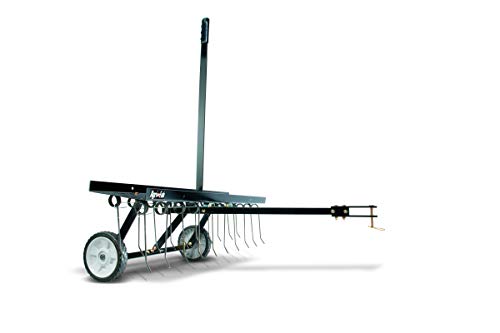
Designed to pull behind lawn tractors, this dethatcher uses 24 durable spring tines to uproot dead, matted grass and dislodge compacted soil. The 48-inch working width covers large areas quickly, making it suitable for mid- to large-sized properties. It is built to penetrate and turn up dried grass, weeds, and soil as it passes, aiding subsequent lawn care tasks.
Key features include: MADE IN USA construction, and a wide dethatching swath. The 48-inch width helps reduce pass count, while the spring steel tines provide resilience across seasons. Proper maintenance includes cleaning the tines after use to prevent residue buildup and rust.
Agri-Fab 45-0294 40in Tow Behind Lawn Dethatcher
This 40-inch dethatcher uses 20 durable spring tines to remove thatch and loosen hard-packed soil along a 40-inch swath. The design prioritizes ease of use with a straightforward hitch connection to lawn tractors, helping homeowners quickly improve lawn health. It’s a compact option for smaller yards or tight spaces while still delivering solid thatch removal.
Considerations include compatibility with your tractor’s hitch, the need to clear clumps after dethatching, and routine tine maintenance. The unit’s USA-made build mirrors a focus on durability and farmer-tested reliability.
Suchtale 48inch Tow Behind Dethatcher

This rugged dethatcher features a 48-inch working width with 24 spring tines designed for durability and performance. The rust-proof, replaceable spring tines and heat-treated construction support long-term use, while wheels help track behind the tractor to reduce mower interference. A ballast-heavy frame provides stability for effective thatch removal across lawns of varying sizes.
Operational notes emphasize cleaning residue after use and using the hitch pin for a secure connection. It’s suitable for leveling and dethatching tasks on patios, lawns, or farms and leverages a two-row tine setup to maximize thatch removal efficiency.
Suchtale 40inch Tow Behind Dethatcher

This 40-inch dethatcher balances 20 steel tines with a sturdy frame and a wheel-guided design to minimize lawn obstruction. The rust-resistant tines are replaceable and heat-treated to sustain performance through seasons. The mower-compatible, heavy-duty build aims to deliver consistent thatch removal with fewer passes.
Practical tips include using the hitch pin properly for secure towing and cleaning debris from the tines after dethatching to maintain their effectiveness and prevent rust buildup over time.
MZK 15-inch 2-in-1 Electric Dethatcher

The MZK electric dethatcher combines dethatching and scarifying capabilities with a 15-inch width and a powerful copper motor delivering around 3700 RPM. It offers depth settings to fine-tune removal and a 12-gallon collection bag to manage debris. Quick-switch 2-in-1 blades enable switching between dethatching and scarifying modes for lawn health and soil aeration.
Considerations include motor power, extension cord requirements, and the need for periodic blade replacements. An electric option provides precise control, reduced physical effort, and consistent performance on medium-sized lawns.
Buying Guide: Key Purchase Considerations For Tow-Behind Dethatchers
- Working width: Larger widths cover more area per pass but require a tractor with adequate horsepower and a stable hitch. Choose 40–48 inches for most mid- to large lawns; 40 inches is a good compromise for smaller yards.
- Tine design and durability: Steel tines (spring or solid) determine how aggressively thatch is removed. Rust-proof, replaceable tines extend service life and reduce maintenance costs.
- Attachment compatibility: Verify hitch type, hitch height, and pin spacing to ensure the dethatcher fits your lawn tractor, ATV, or UTV. Universal connectors increase options but confirm engagement robustness.
- Power source: Tow-behind dethatchers are manual (tractor-powered) or electric. Electric models offer more control but require a suitable power source and extension cords; ensure your yard environment supports this setup.
- Build quality and stability: Look for heavy-duty frames, quality wheels, and secure tines to minimize wobble and improve maneuverability across uneven ground.
- Maintenance needs: After use, remove soil and debris, inspect tines for wear, and replace worn parts promptly to maintain performance and prevent damage to your lawn.
- Soil and lawn health considerations: Dethatching is best timed for specific seasons; excessive dethatching can stress grass. Follow product guidance on when to dethatch and how deep to go for different grass types.
- Storage and handling: Heavier models with ballast require proper storage space and safe handling procedures to avoid damage or injury during setup or transport.
- Value vs. features: Compare models with similar widths and tine configurations to determine which offers essential features (2-in-1 blades, easy release mechanisms) without over-investing.