If you’re looking to create a fast, natural privacy screen or a wind barrier, choosing trees that grow rapidly and establish dense coverage is essential. This guide highlights top fast-growing options that balance growth speed with year-round privacy, stress tolerance, and ease of maintenance. Each section features a vetted product from Amazon, with key features to help you compare at a glance.
| Product | Brand | Highlights |
|---|---|---|
| 50 Hybrid Willow Tree Cuttings to Grow | CZ Grain | Fastest growth, 6 ft first year; perfect visual/sound barrier |
| 24 Jumbo Hybrid Willow Tree Cuttings | CZ Grain | Thicker root stock; strong privacy hedge |
| Thuja Arborvitae Green Giant | Florida Foliage | Rapid evergreen screen; tall growth |
| Leyland Cypress | Eureka Farms | Fast-growing privacy hedge; dense foliage |
| Thuja Green Giant (50 Live Trees) | Florida Foliage | Large-scale privacy screen; year-round color |
Note: Availability and growing conditions vary by region. Always consider local climate, soil type, and space before planting to maximize privacy and long-term health of your trees.
50 Hybrid Willow Tree Cuttings To Grow

Hybrid Willow, also known as Aussie Willow, is among the fastest growing trees. It can grow about 6 feet in the first year and roughly 10 feet annually thereafter, delivering a rapid privacy or sound barrier. The cuttings arrive about 9 inches long and root easily when placed in water. For faster results, plant cuttings about 3 feet apart in rows, and consider a second staggered row for additional density. This option suits homeowners seeking swift visual screening or property boundary definition.
24 Jumbo Hybrid Willow Tree Cuttings
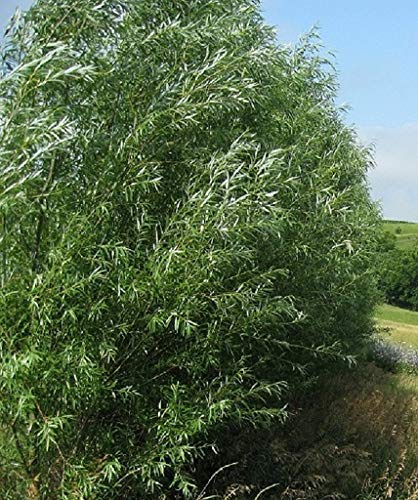
A larger bulk option, these 24 willow cuttings come with XXL root stock for strong early establishment. They’re promoted as easy to grow, suitable for privacy hedges, wind and noise barriers, and even erosion control along roadways or ditches. The non-GMO designation aligns with environmentally friendly gardening aims. While their rapid growth is a primary advantage, proper spacing and consistent watering in the first growing season will help maximize year one density and long-term performance.
Thuja Arborvitae Green Giant

This evergreen species grows rapidly and maintains a broad pyramidal habit, reaching heights of 30-50 feet. It’s widely used for decorative accents or as a privacy screen. A regular watering schedule during the first year supports establishment of a mature root system. After establishment, maintenance requires less frequent watering. Ensure full sun to partial shade and well-drained soil for optimal growth. Spacing is important to maximize density and natural screening.
Leyland Cypress

Leyland Cypress blends fast growth with dense, dark-green foliage ideal for privacy hedges and windbreaks. It’s a reliable option for large-scale projects and property line delineation. Growth rates can reach several feet per year under favorable conditions. Regular maintenance includes pruning to maintain desired shape and density, especially in the first few years as the root system establishes. Choose a site with full sun and fertile, well-drained soil to support robust development.
Thuja Green Giant | 50 Live Trees

This large-quantity option features Thuja standishii x plicata, designed for fast-growing privacy screens. The evergreen foliage provides year-round coverage and a natural barrier that works well for borders and screens. The arrangement is suitable for homeowners planning a sizable privacy project or landscapers establishing a long hedge. Consider spacing according to final height projections and climate, and ensure consistent watering during establishment to promote uniform growth.
Thuja Green Giant | 1 Large Gallon Size

This single large-gallon Thuja Green Giant provides a rapid growth pathway for privacy and property delineation. It shares the evergreen, dense foliage profile of its siblings and is well-suited for mid- to large-scale landscapes. Like other Thuja varieties, consistent moisture in the first year supports root establishment, and mature plants deliver year-round screening with relatively low maintenance once established.
Emerald Green Arborvitae (Tree Tots)

Emerald Green Arborvitae offers evergreen privacy with dense foliage. These trees can grow tall (up to 14-16 feet) and are commonly used as living fences. They are relatively low maintenance, requiring limited pruning. In regions with harsh winters, ensure proper winter protection and adequate irrigation schedules during dry spells. This option suits smaller spaces or as a transitional hedge within a broader privacy plan.
Buying Guide: Key Purchase Considerations And Comparisons
– Growth rate and ultimate height: If privacy is the primary goal, prioritize species known for rapid height gain and dense canopies, such as willow or evergreen conifers. Consider planning for long-term growth to avoid frequent replacement.
– Climate compatibility: Choose varieties that match your USDA hardiness zone, sun exposure, and soil type. Some species tolerate drought or soggy soils better than others.
– Maintenance needs: Evaluate irrigation requirements, pruning needs, and potential susceptibility to pests or diseases. Low-maintenance options can save time and money over the long term.
– Spacing and layout: Dense screens require proper spacing. For faster results, use staggered rows or layered hedges to create a fuller barrier sooner.
– Longevity and landscape impact: Evergreen species provide year-round privacy; deciduous options may offer seasonal screening. Consider how the hedge will look in winter and how it integrates with existing structures.
– Environmental considerations: Native or non-GMO choices can support local ecosystems and pollinators. Evaluate any potential ecological impacts when selecting fast-growing non-native species.
– Root system and impact on infrastructure: Ensure planting locations are away from foundations, utilities, and underground lines. Some fast growers may require larger root zones and regular care to avoid conflicts.
For best results, consult a local nursery or landscaper to tailor species selection to your site conditions and long-term privacy goals.