Choosing the right fertilizer can be the difference between sparse fruiting and a thriving citrus tree laden with zestful fruits. This guide compares five reliable options, covering organic blends, ready-to-use spikes, and micronutrient-rich formulas designed for indoor and outdoor trees. Each product below targets essential nutrients, micronutrients, and soil health to support lush foliage, abundant blossoms, and flavorful fruit.
Summary Of Selected Products
| Product | Brand | Form | Key Benefit |
|---|---|---|---|
| Down To Earth Organic Citrus Mix | Down To Earth All Natural Fertilizers | Powder / 1 lb | Balanced 6-3-3 NPK with calcium and micronutrients; OMRI-listed. |
| Miracle-Gro Fruit & Citrus Plant Food Spikes | Miracle-Gro | Capsule spikes | Seasonal feeding for more fruit and foliage. |
| Espoma Citrus-Tone | Espoma | Granular powder | Organic fertilizer with calcium and Bio-tone soil beneficials. |
| GARDENWISE Citrus Fertilizer + Micronutrients (1/2 Quart) | GARDENWISE | Liquid / 1/2 quart | Balanced NPK with micronutrients for wide citrus compatibility. |
| Gardenera Premium Liquid Citrus Fertilizer | Gardenera | Liquid concentrate / 8 oz | 3-1-2 ratio; organic formula for indoor citrus. |
Down To Earth Organic Citrus Mix, 6-3-3

Down To Earth Citrus Mix is a trusted organic option with a 6-3-3 nitrogen-phosphorus-potassium ratio, supplemented by calcium, sulfur, iron, and zinc. The blend relies on premium natural sources such as feather meal, fish bone meal, alfalfa meal, langbeinite, basalt, potassium sulfate, zinc sulfate, kelp, and leonardite-derived humic acids. It is OMRI-listed for organic use, aligning well with organic or sustainable garden practices. This product supports healthy foliage, robust flowering, and fruitful harvests across lemons, limes, oranges, and avocados.
Miracle-Gro Fruit & Citrus Plant Food Spikes
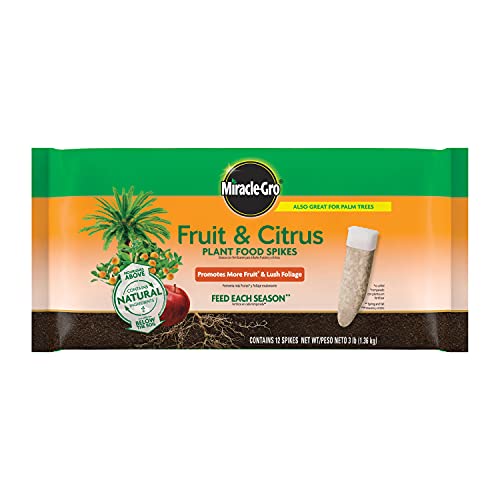
Miracle-Gro’s Citrus Plant Food Spikes offer a convenient, ready-to-use solution for seasonal feeding. The spikes are designed to promote more fruit and lush foliage compared with unfed trees. They leverage natural ingredients and are intended for spring and fall application, making them a simple option for homeowners managing citrus trees in containers or ground beds where quick, predictable feeding is desirable.
Espoma Citrus-Tone Organic Fertilizer

Espoma Citrus-Tone is a 5-2-6 organic fertilizer designed for all citrus trees, including lemons, limes, oranges, Meyer lemon trees, and even avocado and nut trees. It includes a rich blend of natural ingredients with Bio-tone beneficial soil microbes. The product is ready to use and does not require mixing, with a recommended schedule around late winter, spring, and fall, applied around the drip line and watered in for uptake. The balanced formula supports steady growth and fruit development while maintaining soil health.
GARDENWISE Citrus Fertilizer + Micronutrients (1/2 Quart)

GardenWise combines a balanced NPK with essential micronutrients to fuel growth, flowering, and fruit quality. The product emphasizes a cellular nutrient approach by including magnesium, zinc, copper, iron, and boron, which support chlorophyll production, enzyme activity, and fruit development. The all-in-one formula is designed for both indoor and outdoor use, offering sustained nourishment over a couple of months per application and aiming to simplify citrus care for various varieties.
Gardenera Premium Liquid Citrus Fertilizer

Gardenera offers a liquid 3-1-2 formula designed for indoor citrus trees and flowers. This organic concentrate provides readily available nutrients that help support fruit production, color, and overall tree vitality. Being a liquid, it can be quickly absorbed, making it suitable for regular feedings or targeted feeding during critical growth phases when fruit set and color development are priorities.
Buying Guide: Key Purchase Considerations
- Tree type and size: Container citrus often benefits from balanced, readily available nutrients and slower-release options to avoid over-fertilizing in restricted root zones.
- Organic vs synthetic: Organic blends improve soil health and long-term vitality but may release nutrients more slowly. Synthetic or granular formulas can deliver quicker results, useful for quickly correcting deficiencies.
- NPK balance: Citrus trees typically thrive with balanced nitrogen for growth (N) and adequate phosphorus (P) and potassium (K) for flowering and fruiting. Look for labels around 5-6% potassium in many citrus blends and adjusted calcium or micronutrients as needed.
- Micronutrients: Zinc, boron, magnesium, iron, copper, and manganese support leaf color, disease resistance, and fruit development. Consider products that include micronutrients or pair with a separate micronutrient supplement.
- Form and application ease: Spikes and liquids offer different application styles. Spikes work well for larger trees with limited maintenance, while liquids allow flexible dosing and quick uptake, especially for indoor trees.
- Organic certification and labels: If organic gardening matters, prioritize OMRI-listed products and those that avoid synthetic additives.
- Watering regime: Some formulas are designed for regular, lighter feedings; others require specific seasonal timing. Align with your watering and pruning schedule for best uptake.
- Container vs in-ground: Containers require more frequent feeding and careful attention to nutrient leaching and salt buildup, so choose formulations designed for container citrus when applicable.
Each product listed above has strengths that suit different growing conditions. Organic mixes provide soil health and sustainability benefits, while ready-to-use spikes or liquids offer convenience and rapid uptake. For long-term soil health, consider rotating products or combining a base organic fertilizer with a micronutrient boost during key growth stages.