Growing vegetables without harsh chemicals is a priority for many gardeners. The right organic bug sprays can protect your edibles from common pests while keeping pollinators and the environment safe. Below is a curated list of five effective, OMRI-listed or naturally formulated options that are suitable for vegetables and edible crops. Each entry highlights core pest control capabilities and usage considerations to help you choose the best fit for your garden.
| Product | Brand | Key Benefit | Size |
|---|---|---|---|
| Earth’s Ally 3-in-1 Plant Spray | Earth’s Ally | Insecticide, miticide and fungicide in one spray | 32 oz |
| BioAdvanced Tomato, Vegetable & Fruit Ready-to-Use | BioAdvanced | Kills listed pests on edibles; curative for powdery mildew | 24 oz |
| Bonide Captain Jack’s Insecticidal Super Soap | Bonide | Broad-spectrum soap spray for outdoor use | 32 oz |
| Bonide Insecticidal Soap | Bonide | Direct-contact insect control for outdoor gardens | 32 oz |
| Neudorff Indoor Plant Spray | Neudorff | Kills multiple pests on indoor/outdoor plants | 32 oz |
Earth’s Ally 3-in-1 Plant Spray

Earth’s Ally offers a ready-to-use, 3-in-1 solution that combines insecticidal, miticidal, and fungicidal actions. Formulated with botanical oils, it targets soft-bodied pests such as spider mites, aphids, whiteflies, and scale, while helping suppress diseases like powdery mildew and leaf spot. It is designed to be safe for pollinators, kids, and pets when used as directed, making it a practical option for vegetable beds, container gardens, and indoor plants. The product emphasizes a synergistic blend of essential oils to reduce pest populations and disease pressure without resorting to synthetic chemicals.
BioAdvanced Tomato, Vegetable & Fruit Ready-to-Use
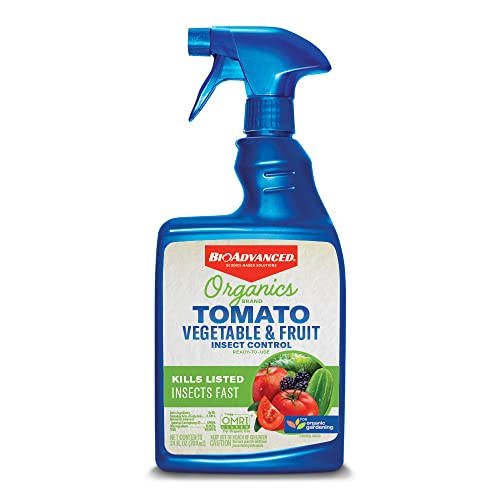
This ready-to-use formula addresses pests on edibles such as vegetables, fruit, and nuts, providing fast contact kill for aphids, caterpillars, mealybugs, spider mites, and other listed pests. It also offers curative action against powdery mildew and supports ongoing protection for fruit and vegetable crops. Suitable for home gardens, outdoor containers, and edible crops, it enables straightforward application without mixing. The emphasis is on immediate pest knockdown and disease suppression to preserve harvests.
Bonide Captain Jack’s Insecticidal Super Soap

Captain Jack’s Insecticidal Super Soap delivers a broad defensive spray for outdoor residential use. It controls a wide range of pests, including adelgids, aphids, caterpillars, spider mites, and more. The product works through contact and ingestion, making it versatile for direct insect encounters or for insects that feed on leaf surfaces. It is designed for outdoor use on vegetables, ornamentals, lawns, and greenhouses, supporting organic gardening strategies with a soap-based action that minimizes environmental impact while providing robust pest suppression.
Bonide Insecticidal Soap
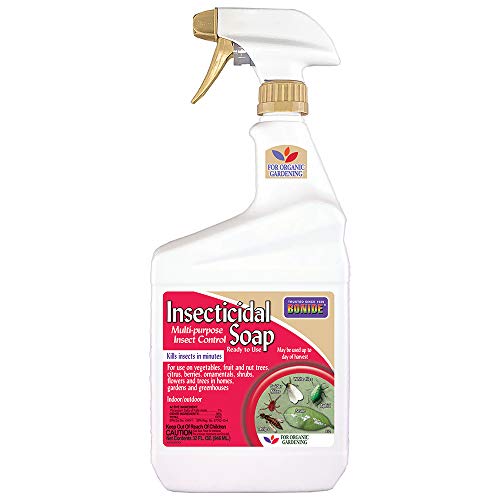
Bonide Insecticidal Soap is a multi-purpose spray designed for outdoor residential use in gardens, lawns, ornamentals, and greenhouses. It delivers control for a variety of soft-bodied pests—aphids, whiteflies, and spider mites—through direct contact and ingestion. This option fits well in organic gardening plans where a gentle, plant-safe approach is needed for protecting edibles such as leafy greens, tomatoes, and peppers without compromising harvests or soil health.
Neudorff Indoor Plant Spray

Neudorff’s indoor plant spray is designed for both indoor plants and greenhouse use, offering efficacy against spider mites and scale, with activity against more than 100 listed pests on contact. It combines pyrethrins with canola oil botanical ingredients to support organic gardening practices. The product is suitable for edible crops kept indoors or in sunrooms, providing broad-spectrum protection while remaining compatible with many vegetable plantings when used as directed. It emphasizes a quick knockdown of pests and prevention across a range of houseplants and garden greens.
Buying Guide: Key Purchase Considerations For Organic Vegetable Pest Control
Choosing the right organic bug spray for vegetables involves weighing pest type, crop sensitivity, application method, and safety for pollinators and pets. Consider these factors to make an informed decision:
- Active ingredients and pest spectrum: Some products target specific pests (aphids, mites, whiteflies), while others provide broader control. Match the product to the pests most common in your garden season.
- Botanical vs. soap-based formulations: Botanical oil blends can offer disease control with multiple modes of action, while insecticidal soaps provide quick knockdown via contact and are generally gentle on beneficial insects when used properly.
- Safety for edibles and harvest timing: Check recommended plant-contact interval and whether the product is safe for use on vegetables close to harvest. Some products allow use up to harvest day or have short withholding periods.
- Leaf and plant tolerance: Some crops—such as lettuce, cabbage, and peppers—can be sensitive to concentrates or oils. Test a small area first and follow label directions for dilution and application frequency.
- Outdoor vs. indoor use: For plants grown in containers or indoors, select a spray labeled for indoor or greenhouse use if necessary. Outdoor-only products may be less suitable for indoor environments.
- Environmental impact: Look for formulations that minimize runoff and harm to pollinators. Avoid broad sprays during flowering periods if pollinator activity is high in your area.
- Ease of use and coverage: Ready-to-use formulas save time, while concentrates offer cost savings per use. Consider sprayer compatibility and spray timing to maximize coverage on the undersides of leaves.
- Resistance management: Rotate products with different modes of action to reduce pest resistance. Avoid using the same product repeatedly on the same crops within a single season when possible.
For most home vegetable gardens, a balanced approach that integrates cultural controls (crop rotation, sanitization, beneficial insects) with selective organic sprays tends to yield consistent, sustainable results. Always read the product label for exact usage directions, safety precautions, and any crop-specific notes before applying to vegetables.