Choosing the right coarse sand for plants can improve drainage, prevent soil compaction, and help maintain moisture around roots. This guide highlights five top picks designed for succulents, cacti, bonsai, and container gardens. All options are natural, dye-free, and suitable for long-term use. Read on to compare features and make an informed decision for your indoor or outdoor planters.
| Product | Brand | Size | Key Benefit |
|---|---|---|---|
| NUPICK 1-2mm Coarse Sand (6 lb) | NUPICK | 6 lb | Improves drainage; decorative desert-gold look |
| NUPICK 1-2mm Coarse Sand (3 lb) | NUPICK | 3 lb | Lightweight option with same drainage benefits |
| SHIZWU 2-4mm Coarse Sand | SHIZWU | 2-4 mm | Polished natural gravel for drainage and aesthetics |
| GHYTMTHOT 1-5mm Coarse Sand | GHYTMTHOT | 1-5 mm | Varied particle sizes for mixed textures and drainage |
| NUPICK 3-5mm Coarse Sand (6 lb) | NUPICK | 6 lb | Heavier coarse sand for strong anchoring and drainage |
NUPICK 1-2mm Coarse Sand — 6 lb
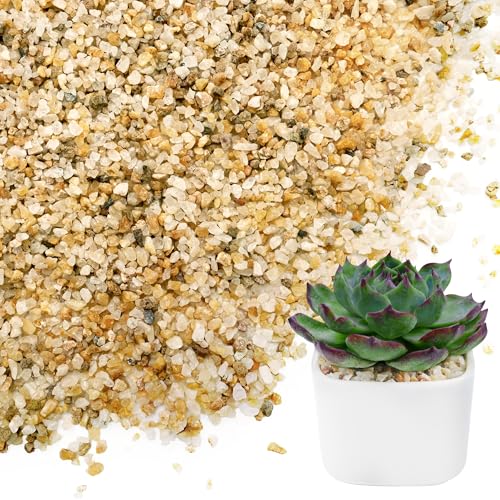
Natural, reusable coarse sand in 1-2 mm sizes is sourced from durable natural silica with no dyes or artificial additives. It washes clean and resists fading, making it suitable for long-term use in potting mixes, crafts, and decorative displays. When mixed with potting soil at a 1:3 ratio, it enhances aeration and drainage while helping retain moisture and nutrients around roots. Ideal for succulents, cacti, and container gardening, this sand stabilizes newly potted plants and reduces soil compaction. Its golden hue adds a decorative, desert-inspired look to planters.
NUPICK 1-2mm Coarse Sand — 3 lb
This compact 3 lb option delivers the same natural, dye-free coarse sand in a lighter package. Perfect for smaller pots or trials in limited spaces, it supports improved drainage and moisture balance when mixed with potting soil at a 1:3 ratio. Its desert-gold color contributes visual appeal to succulents, bonsai, and decorative arrangements without sacrificing performance.
SHIZWU 2-4mm Coarse Sand

SHIZWU offers 2-4 mm natural gravel designed for succulent potted plant paving, vase filling, and decorative use. The larger particle size improves drainage and reduces soil compaction, supporting healthier root systems in cactus, bonsai, and ornamental arrangements. The stones are natural and free of waxes or additives, suitable for fish tanks and terrariums as well. These gravels can also stabilize newly planted plants and enhance overall planter aesthetics.
GHYTMTHOT 1-5mm Coarse Sand

GHYTMTHOT provides a 1-5 mm range of natural colored coarse sand with varied particle shapes. The mix promotes drainage and helps lock in water and nutrients within the soil, supporting healthier growth in succulents, cacti, and bonsai. Before first use, rinse to remove any surface dust and avoid chemical cleaners. The broad size range allows for layered soil textures in mixed plantings or decorative topdressing.
NUPICK 3-5mm Coarse Sand — 6 lb

This 3-5 mm coarse sand from NUPICK offers a heavier texture ideal for establishing strong plant anchors and robust drainage in larger pots or outdoor planters. Like the smaller-grain versions, it is natural, dye-free, and washes clean for long-term use. Mixing ratios around 1:3 with potting soil can help maintain aeration while keeping essential moisture around roots for succulents and container plants.
Buying Guide
Key purchase considerations when selecting coarse sand for plants include particle size, source material, dye-free composition, drainage impact, and compatibility with your plant types. Below are multiple perspectives to help you choose confidently:
- Particle size and consistency: Smaller coarse sands (around 1-2 mm) offer easier handling in smaller pots and terrariums, while larger sizes (3-5 mm) provide stronger drainage and are better for bigger planters and combination mixes with pebbles.
- Material purity: Look for natural silica or quartz sand with no dyes, additives, or coatings. Pure silica helps ensure predictable drainage and reduces salt buildup from repeated watering.
- Drainage vs. moisture balance: Coarse sand improves drainage and reduces compaction, but balance with organic matter or perlite if growing moisture-loving plants. For cacti and succulents, a drier mix is often preferred.
- Aesthetic considerations: Desert-gold or natural-toned sands can enhance decorative pots, terrariums, or bonsai displays without affecting performance.
- Versatility: Some coarse sands are marketed for aquariums or gravels as well. If used in soil, ensure they are clean and free of contaminants; avoid using gravel with waxes or chemical residues.
- Maintenance: Rinse sand before first use to remove fine dust. Periodically refresh top layers if used in outdoor pots to maintain appearance and drainage.
- Compatibility with plants: Succulents and cacti generally prefer well-drained mixes with larger sand grains. Bonsai and tropical foliage may benefit from a mix with more loam or organic components for nutrient retention.
These selections provide a spectrum of particle sizes and appearances designed to suit various plant types and aesthetics. When assembling potting mixes, start with a base of coarse sand and adjust with other components to fit your plant’s water needs and rooting depth. Always ensure proper drainage in containers with drainage holes to maximize root health and growth potential.