The following article highlights five lemon grass options that align with insect-repellent uses and practical growing tips. Each product emphasizes fragrance, growth, and natural mosquito deterrence while supporting culinary or herbal-tea applications. Read on to compare varieties, planting needs, and how they fit into a mosquito-conscious outdoor space.
| Product | Brand | Focus |
|---|---|---|
| Sow Right Seeds – Insect & Pest Repellent Seed Collection | Sow Right Seeds | Natural pest deterrence with multiple herbs |
| TomorrowSeeds – West Indian Lemongrass Seeds | TomorrowSeeds | Fragrant lemon grass for culinary use and pest deterrence |
| Sow Right Seeds – Lemon Grass Seed for Planting | Sow Right Seeds | Indoors or outdoors culinary lemongrass |
| 5 Lemongrass Plants 12 Inches Long | THAIPHOON JIRA | Live plants with minty aroma and natural mosquito repellent |
| Lemongrass Plants – Pack of 2 Live Stalks | Generic | Fresh starter plants for cooking and natural deterrence |
Insect & Pest Repellent Seed Collection

This seed collection bundles several herbs and flowers selected for garden health and pest deterrence. Among them, lemon grass contributes a fresh, citrus aroma that can help deter mosquitoes when grown alongside other repellent plants. The package includes planting instructions and a pathway to integrate companion planting with lavender, catnip, marigold, and hyssop for extended pest management. Growers can start indoors or outdoors, with germination guided by soil temperatures around 65-86°F. Expected maturity varies by species and climate.
West Indian Lemongrass Seeds

These seeds are marketed for planting in tropical or subtropical environments and carry a citrusy, fragrant profile. The kit emphasizes a high-count seed package suitable for boosting garden coverage and creating a fragrant buffer around outdoor living spaces. While primarily positioned for culinary and landscape use, the lemon grass aroma is known to contribute to a refreshed outdoor atmosphere and can be a companion plant in mosquito deterrence plans when combined with other herbs and flowering plants.
Lemon Grass Seed For Planting

This non-GMO heirloom seed packet provides a straightforward path to growing lemon grass as a culinary herb. The variety is described as easy to cultivate, with germination typically within 7-14 days in warm soil. Plant spacing and sun exposure are specified to support robust growth, with typical plant heights reaching 3-5 feet and a spread of about 2 feet. The description notes fragrant foliage suitable for stir-fries, teas, and aroma-rich dishes, linking flavor with garden atmosphere.
5 Lemongrass Plants, 12 Inches Long

This live plant listing features five 12-inch lemongrass stalks ready for immediate planting. The plants are grown hydroponically for strong root systems and rapid establishment, making them suitable for outdoor herb borders or indoor containers. Beyond culinary use, the natural essential oils and aroma contribute to a mosquito-repelling ambiance within patio or balcony spaces. The listing emphasizes outdoor adaptability and the potential for essential oil extraction from mature plants.
Lemongrass Plants – Pack Of 2 Live Stalks
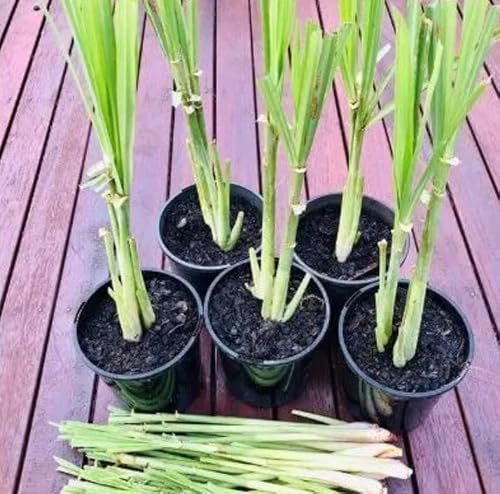
Two live lemongrass stalks arrive ready to plant, offering a compact option for kitchens, patios, or small spaces. The description highlights container-friendly growth, strong sun tolerance, and indoor-outdoor versatility. In addition to flavoring soups, teas, and Thai dishes, lemongrass can contribute to a natural, citrusy scent that helps keep mosquitoes at bay in outdoor seating areas when used as part of a broader repellent garden strategy.
Buying Guide: Key Purchase Considerations
- Purpose alignment: Choose whether primary use is culinary, tea making, or garden mosquito deterrence. Some seed collections emphasize pest-repellent companion planting, while live plants prioritize fast habitat coverage for shade and scent.
- Growing environment: Lemongrass thrives in warm temperatures and full sun. Indoors may require bright light and consistent moisture; outdoors typically needs sun and well-drained soil. Consider your USDA zone and indoor growing capabilities.
- Planting method: Seeds provide long-term growth and cost efficiency, but may require longer to establish. Live stalks or rooted plants offer quicker results but come at higher upfront cost.
- Water and care: Lemongrass prefers evenly moist soil. Avoid waterlogging, which can stunt growth. Fertilize lightly with balanced nutrients to support robust height and aroma.
- Aroma and deterrence: While lemon grass contributes a refreshing scent, mosquito deterrence is most effective when combined with other repellent plants (e.g., lavender, catnip, marigold) and practical yard upkeep.
- Harvesting and use: Fresh leaves deliver strongest aroma for cooking and tea. For essential oils or herbal remedies, mature plants yield more leaves and stalks, but harvest with care to maintain plant health.
- Sustainability and sourcing: Look for non-GMO or organic options when possible, and prefer seeds or plants from reputable sellers with clear growing instructions and germination guidance.