Protecting fruit trees from hungry squirrels and other critters is a common garden challenge. The right netting not only blocks pests but also allows sunlight, air, and water to reach your trees. Below are five highly-rated options that balance durability, ease of use, and coverage. Use the quick summary table to compare sizes and suitability at a glance.
| Product | Approx. Size | Key Benefit |
|---|---|---|
| Garden Tailor Fruit Tree Netting (6.4 x 6.4 ft) | 6.4 ft x 6.4 ft | Easy access with 2-way zipper |
| Large Tree Netting For Fruit Trees (10 x 10 ft) | 10 ft x 10 ft | Maximum coverage for bigger trees |
| Garden Tailor 2 Pack (4 x 6 ft each) | 4 ft x 6 ft (per bag) | 2 pack | Two-pack convenience for multiple trees |
| EaseThrift 10 x 10 ft Netting | 10 ft x 10 ft | Durable, drawstring with single zipper |
| Cookmaster 10 x 10 ft Netting | 10 ft x 10 ft | Heavy-duty, 60-mesh durability |
When selecting fruit tree netting, consider size compatibility with your trees, mesh fineness, and how easily you can reach fruit for picking. The five products below offer a mix of sizes and features to help you choose a barrier that fits your yard and fruit varieties, from blueberries and tomatoes to peaches and apples. Each option prioritizes durable construction, wind resistance, and airflow for healthy plant growth.
Garden Tailor 6.4 Ft Netting With 2-Way Zipper

The Fruit Tree Netting from Garden Tailor provides a fast, effective barrier against pests such as cicadas, birds, squirrels, and deer. Its 40-mesh HDPE fabric helps maintain about 90% light transmission and 95% breathability, enabling healthy photosynthesis and steady watering without removing the net. A standout feature is the two-way zipper that allows fruit picking from the top or sides, letting you harvest without fully unzipping the canopy. The lightweight design (approximately 0.16 oz/ft²) supports flexible placement over a range of tree sizes and garden configurations, offering 5+ years of outdoor use with proper care.
Key points:
– 8′ x 6′ effective coverage when opened
– UV-resistant, durable for long-term outdoor use
– Easy installation with drawstring and zipper integration
– Suitable for blueberries, tomatoes, apples, and berries
LHongL 10×10 Ft Large Tree Netting
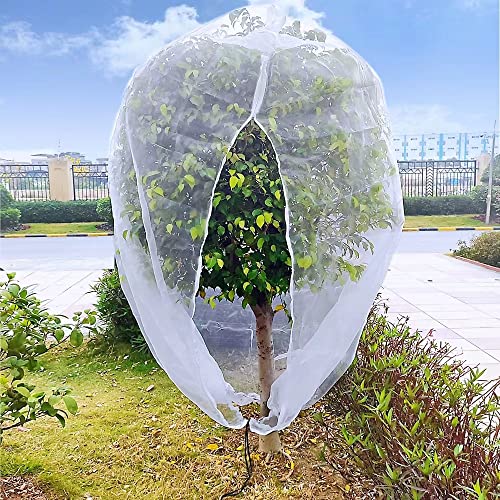
This extra-large netting is designed to cover a broad range of fruit trees, including peach, cherry, fig, and blueberry bushes. Its 10×10 ft footprint provides ample protection for larger canopies, with zippers on both sides for easy access during harvest and maintenance. Built to endure sun exposure and rain, it uses a durable drawstring and zipper design to secure the cover without compromising airflow. Gardeners who need a broad barrier frequently choose this option for its straightforward setup and reliable coverage across multiple trees.
Key points:
– Comprehensive 10×10 ft coverage
– Dual-side zippers for convenient fruit access
– Weather-resistant construction with continued airflow
– Suitable for a wide variety of fruit trees
Garden Tailor Zipper & Drawstring 8×8 Ft Pack (2 Pack)

This 8′ x 8′ netting set expands your protective reach with two packs in the box, each forming a robust barrier around common fruit trees and berry plants. The fine 40-mesh HDPE fabric balances light transmission, air flow, and water penetration, supporting healthy growth while deterring squirrels and other pests. The drawn-in drawstrings and dual-zipper design simplify installation and routine checks without removing the cover entirely, making it practical for variable weather and orchard layouts.
Key points:
– Two-pack convenience for multiple trees
– Drawstring and zipper combination for secure fit
– Durable, breathable HDPE mesh
PURPLE STAR 2 Pcs Netting Set, 8.2 x 6.5 Ft

This two-pack from PURPLE STAR offers two 8.2 x 6.5 ft covers, ideal for smaller trees or multiple plantings across a compact yard. Each net features a side zipper and double drawstring to ensure a snug, wind-resistant fit while allowing watering and fruit checks through the opening. The breathable mesh blocks tiny pests and larger animals alike, reducing damage to berries, vegetables, and young fruit trees without compromising pollination when left in place seasonally.
Key points:
– Two netting covers in one package
– Side zipper and adjustable drawstrings
– Breathable mesh designed for easy maintenance
LHongL 8.2×8.2 Ft Netting For Large Trees
Designed for larger trees, this 8.2 x 8.2 ft netting fits bigger canopies with a cautious balance of protection and plant health. It emphasizes a durable drawstring and zipper system to secure the cover, yet remains easy to open for inspection and watering. The mesh size allows adequate airflow, reducing the risk of moisture buildup while preventing birds, squirrels, and cicadas from reaching the fruit below the canopy.
Key points:
– Large-tree compatibility
– Upgraded drawstring and zipper
– Durable, weather-ready fabric
Buying Guide: Key Purchase Considerations
When choosing fruit tree netting to deter squirrels, consider these factors to match your yard and fruit types:
- Tree size and canopy shape: Measure height and spread to pick netting that fully covers without excessive bulk.
- Mesh density: A 40-mesh design generally blocks insects and pests but still allows light and airflow. Finer meshes offer more protection but may reduce airflow.
- Access for harvest: Zippers on one or two sides simplify fruit picking. Look for two-way zippers if top and side access is needed.
- Ventilation and watering: Ensure the fabric allows water and air movement to prevent moisture buildup and root issues.
- Durability and weather resistance: UV-stable HDPE or PE materials extend outdoor life, especially in sunny or rainy climates.
- Wind resistance: Drawstrings and secure fastenings help keep netting in place during storms or strong gusts.
- Maintenance and removal: Some designs are easy to remove for pollination or seasonal changes; others can stay on longer with minimal disruption.
- Reuse and value: Larger nets and multi-pack options may offer better long-term value for households with multiple fruiting plants.
These considerations help tailor your choice to your fruit portfolio, whether you’re protecting blueberries, apples, peaches, cherries, or tomatoes. The options listed emphasize durability, access, and airflow to support ongoing plant health while limiting pest damage.