Choosing the right shade netting can protect plants from sun damage while preserving airflow and water access. This guide reviews five top options that balance shade, durability, and ease of use, helping you select the best fit for greenhouses, gardens, kiosks, or poultry housing. Each product is evaluated for UV protection, material quality, installation features, and practical applications for American gardens and farms.
| Product | Brand | Shade Rate | Key Strength |
|---|---|---|---|
| Shade Cloth – Garden Shade Mesh Netting with Grommets Outdoor Sun Shade Cover for Pergola Patio Plants Greenhouse Chicken Coop Black Shading Rate 70% -90% (6X3FT) | ZOZIJIU | 70% – 90% | Durable with grommets; strong corners for hanging |
| Cool Area 55% 6.5x10ft Sunblock Shade Cloth Cover Mesh UV Resistant Net | Cool Area | 55% | Good balance of shade and airflow; durable HDPE |
| Garden Barrier Netting, 10x33ft Extra Fine Mesh 30% Green Sunblock Shade Cloth Mesh | FARAER | 30% | Ultra-fine mesh for birds and pests |
| POYEE 40% 10ftx20ft Shade Cloth Garden Mesh Sun Shade Netting | POYEE | 40% | Breathable, UV-resistant HDPE, durable |
| winemana 70% Black Shade Cloth, 6.6 x 16 FT Durable Mesh Tarp | winemana | 70% | Taped edge, reinforced corners for durability |
Note: The selections emphasize a range of shade levels, from light to strong, and include various installation sizes to fit common American yard and greenhouse setups. Each product includes breathable design to support plant health and water/air flow while offering sun protection.
Shade Cloth – Garden Shade Mesh Netting With Grommets
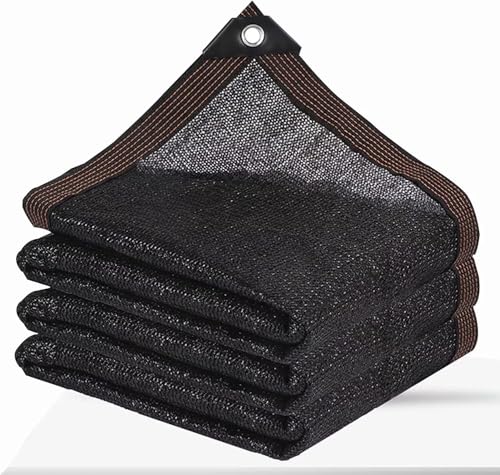
The ZOZIJIU shade cloth uses UV-protected black mesh designed to reduce glare and heat while keeping water and air flowing through to plants and surrounding areas. The product functions well for protecting balcony plants, garden beds, and greenhouse sections from direct sun. It also helps create a comfortable shaded area for people, pets, and livestock.
Material and construction emphasize durability with six-wire sewing and reinforced corners. Aluminum grommets on each side, spaced every 5 feet, facilitate easy hanging and reduce tearing risk. This makes installation straightforward for pergolas, fences, and hoop structures, while maintaining long-term performance in varied weather.
Cool Area 55% Shade Cloth Cover Mesh

Cool Area shade cloth provides 55% sun blockage with a focus on durability and ease of installation. It uses high-density polyethylene (HDPE) to offer tear resistance and temperature tolerance, ensuring a long service life in sun-exposed yards. The mesh design allows for sufficient airflow and water penetration, so irrigation remains effective without washing away soil moisture or photosynthetic activity.
Its design supports a variety of uses—greenhouses, outdoor gardens, plant rows, and livestock enclosures—while maintaining a compact footprint for easy setup in smaller spaces. The shade cloth remains flexible enough to fit curved or irregular structures while providing consistent shade coverage.
FARAER Garden Barrier Netting 10x33ft

This extra-fine mesh netting is designed to protect vegetable plants, fruits, and flowers from birds and pests while allowing air and moisture to pass through. The 0.67mm x 1mm mesh helps retain soil moisture and reduces the need for chemical deterrents. It can be used across pastures, orchards, and garden beds, including hoop structures and greenhouses, with the added benefit of keeping leaves and debris out of delicate crops.
Versatility is a key feature here, as it doubles as a shading cover and a general protective barrier. The mesh is suitable for indoor window applications as well, extending its usefulness beyond outdoor crop protection.
POYEE 40% Shade Cloth 10×20 Ft
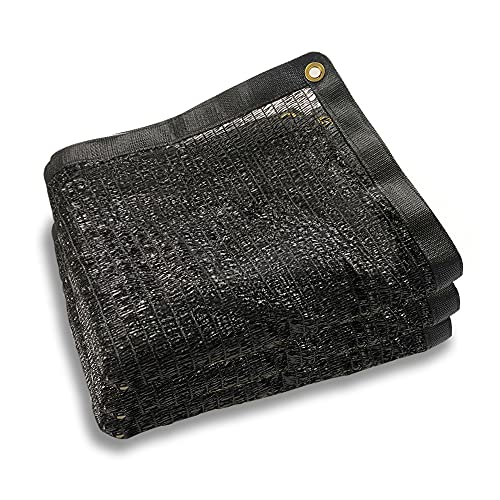
POYEE offers a 40% shade cloth designed to block a portion of sunlight while keeping airflow and moisture movement intact. This makes it suitable for gardens, greenhouses, nurseries, patios, and animal shelters where moderate shading helps prevent heat stress and sunburn on plants. The materials emphasize UV resistance and durability, supporting long-term use in outdoor environments.
The breathable construction supports steady photosynthesis by allowing light to penetrate while reducing excessive heat buildup. Reinforced edges and grommets enable secure mounting on frames, fences, or pergolas, simplifying setup and removal when seasons change.
winemana 70% Black Shade Cloth – 6.6×16 FT
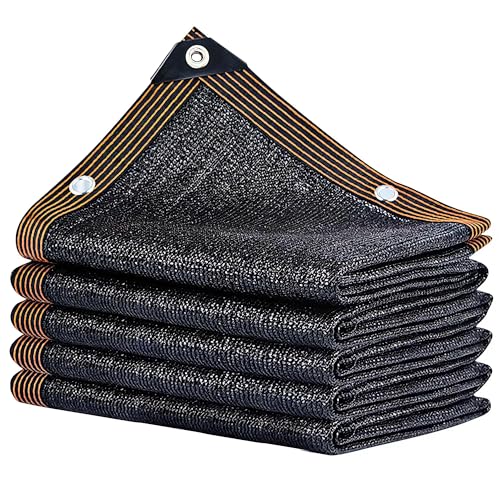
This 70% shade cloth by winemana provides substantial sun protection while preserving airflow, making it suitable for greenhouses, garden beds, and livestock areas. The heavy-duty HDPE fabric ensures durability under sun, wind, and light rain. It features a taped edge and reinforced corners for added strength, especially in larger installations where tension and wind exposure are greater.
With a 6.6×16 ft footprint, it is a versatile option for shade screens across long garden rows, patio covers, and chicken coops. The 70% shading rate balances protection with plant growth needs, reducing heat stress without overly limiting photosynthesis.
winemana 70% Black Shade Cloth – 10×20 Ft

The larger 10×20 ft option from winemana provides extensive shade coverage with the same durable construction and taped edge design. It blocks about 70% of sunlight to protect crops from heat while maintaining airflow to prevent moisture buildup. This size is ideal for covering large garden plots, greenhouses, or multi-bed arrangements, offering strong corner reinforcement for secure mounting to supports or fences.
As with the other winemana shade cloth, its material and construction are designed for long-term outdoor use, minimizing wear from UV exposure and weather changes while maintaining consistent performance across seasons.
Buying Guide: Key Considerations For Choosing Shade Netting
Shade Rate And Plant Needs
Shade rate indicates how much sunlight is blocked. Lighter shading (about 30-55%) suits lettuce, herbs, and seedlings that require some sun protection without limiting growth. Moderate shading (40-60%) helps tomato and pepper plants in hot climates. Higher rates (65-90%) are best for heat-sensitive crops and intense sun, especially in southern U.S. regions or during peak summer.
Material And Durability
Most shade cloths use high-density polyethylene (HDPE) with UV stabilization. Look for tear resistance, reinforced edges, and durable grommets. Lock-stitch or reinforced corners reduce fraying and extend life in windy conditions. Laminated or taped edges can further enhance durability for larger installations.
Airflow, Water, And Maintenance
Choose fabrics that balance shade with airflow to support transpiration and cooling. A breathable mesh allows irrigation water to pass through without washing away soil moisture. Some nets are designed specifically for easy watering through the fabric, while others may require temporary removal for irrigation in dense plantings.
Installation And Coverage
Consider size, grommet spacing, and whether you need removable covers or permanent fixtures. Some products offer pre-punched edges with grommets every 5-40 inches, which affects how you fasten them to frames, fences, pergolas, or hoops. For curved or irregular spaces, flexibility and edge reinforcement are valuable features.
Applications And Versatility
Shade netting can protect crops, pets, and livestock enclosures, or be used as patio covers and windbreaks. The best options provide multi-use capabilities—greenhouses, hoop structures, barns, kennels, and chicken coops—without sacrificing performance in any single setting.
Maintenance And Aesthetics
Color and finish influence UV protection and wind resistance. Darker shades like black typically provide stronger UV blocking and better privacy, while lighter shades may blend more with natural landscapes. Durable fabrics resist mold and fading, maintaining appearance across seasons with minimal upkeep.