Tomatoes thrive under full-spectrum light that mimics outdoor sun. When natural sunlight is limited, a quality grow light can keep tomatoes fruiting, sturdy, and pest-free. This guide highlights five reliable options that suit different spaces, budgets, and growing goals. Each product offers spectrum control, timer features, and easy setup to support healthy tomato development from seedling to harvest.
Quick overview of selected products:
- LEOTER Grow Light for Indoor Plants — 80 LEDs, full spectrum with red/blue focus, 10 dimmable levels, timer options.
- LBW Grow Lights for Indoor Plants — 214 LEDs, full spectrum, stand-mounted with 4/8/12-hour timers and six brightness levels.
- GooingTop LED Grow Light — 6000K full spectrum, 75 LEDs, 5-level dimming, auto on/off timing.
- LORDEM Grow Light — Full spectrum, height-adjustable, auto on/off timer (4/8/12H) and 4 dimmable modes.
- LBW Latest Grow Light (Floor Standing) — 428 LEDs, full spectrum, 3/6/12H timer and six brightness levels on a tall tripod.
The following sections present each product with key features, how they support tomato growth, and practical setup tips. Each entry is designed to help you compare options quickly and choose the best fit for your tomato-growing space.
LEOTER Upgraded Grow Light For Indoor Plants
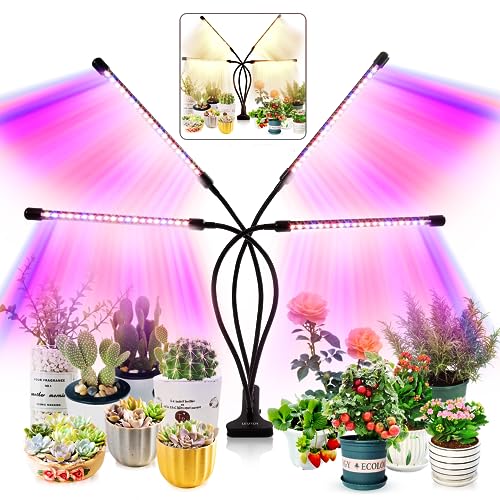
This LEOTER model uses 80 LEDs configured to cover a broad spectrum: 32 red, 12 blue, and 36 full-spectrum diodes. The full spectrum (380 nm to 800 nm) aligns with essential photosynthesis ranges, helping tomato seedlings establish roots and endure vegetative growth. The mix includes dedicated red and blue channels to support blooming and fruit production as tomatoes mature. A notable feature is the timer that cycles through 3 hours, 9 hours, or 12 hours, enabling precise daily schedules without manual intervention. Ten dimmable levels let you scale intensity for different growth stages or plant heights. The gooseneck design provides flexible positioning for tall or staggered tomato sets, and the compact form makes it suitable for shelves, desks, and compact grow areas. Ideal for kitchen gardens and home greenhouses where day-length varies seasonally.
LBW Stand Grow Light With Full Spectrum

LBW’s stand model combines high-spectrum LEDs (214 chips) to emulate natural sunlight, with a structured back plate design that aids heat dissipation during longer uses. The fixture delivers strong photosynthetic illumination through a mix of cold white, warm white, red, and subtle natural light. A built-in 4/8/12-hour timer ensures tomatoes receive consistent light cycles, supporting steady growth and fruit set even when you’re away. Six brightness levels offer control to prevent light burn on young transplants while maintaining enough intensity for mature tomato plants under low window light. The floor-standing design is convenient for larger tomato setups and spaces where a flexible height is beneficial.
GooingTop Full Spectrum Grow Light
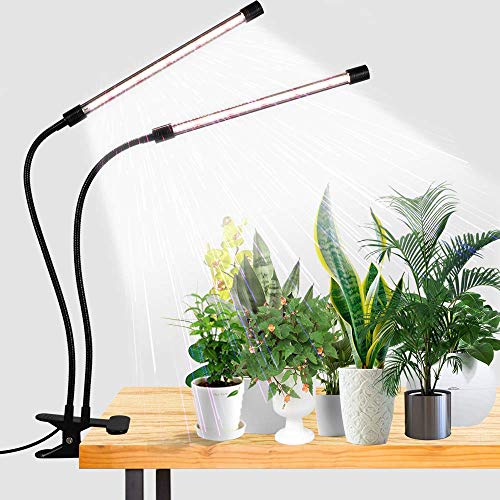
GooingTop’s 6000K white LED array mirrors the midday sun’s look, enhanced with 10 red and 74 white LEDs to broaden the spectrum. Its high color rendering index (CRI 95) presents plant visuals clearly, aiding growers to monitor color and health—handy for tomatoes’ foliage and fruit color cues. The built-in timer offers configurations of 4, 8, or 12 hours on a daily cycle, automatically cycling on and off to support consistent growth. A flexible gooseneck and a sturdy clamp enable precise positioning at the canopy height without obstructing other grow space. This solution fits desks, shelves, and small to medium plant clusters, especially where a compact clamp-on option is preferred for tomatoes in raised beds or pots.
LORDEM Full Spectrum Plant Light
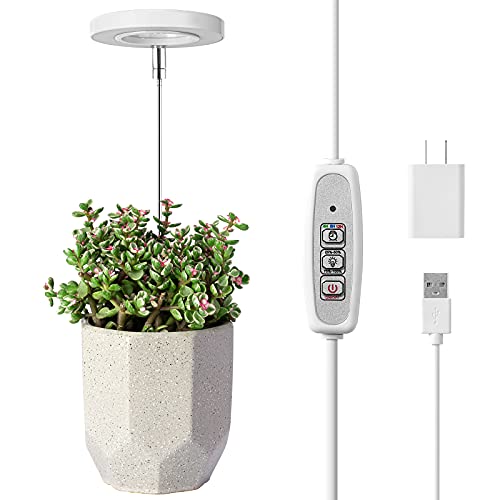
LORDEM’s design focuses on a halo-like aesthetic while delivering a full spectrum (380–800 nm) that supports all growth stages from seed to fruit. The fixture includes a height-adjustable mount, which is helpful for tomatoes that outgrow their initial space. The light has energy-efficient LEDs and a strong PAR output to improve photosynthesis, encouraging robust foliage and fruit set. The auto on/off timer supports daily routines, ensuring your tomatoes receive consistent irradiation even when the household schedule changes. A practical choice for readers who want a blend of style, efficiency, and reliable growth performance for tomato plants in living spaces or home greenhouses.
LBW Latest Growth Light With Stand

This LBW floor-standing option emphasizes a higher LED count (428) and a 75-inch adjustable tripod stand, making it suitable for larger tomato clusters or setups with extended growth. The light is designed to simulate natural sunlight with a full spectrum and optimized PPFD, which helps maintain leafy growth while supporting fruit development. The timer spans 3/6/12 hours, and six brightness levels let you tailor illumination for seedling stages or full-grown tomato plants. The tall tripod allows you to position the light for canopy penetration without shading lower branches, a practical approach for indeterminate tomato varieties that require uniform light exposure across the plant.
LBW Grow Light With Stand (Alternate Height)

This LBW model emphasizes a compact yet powerful approach, featuring a full-spectrum range from 390 nm to 730 nm. The 30W design is energy-efficient and capable of supporting tomato seedling germination through vegetative growth. The unit’s compact size makes it a good fit for windowsills, small greenhouses, or apartment setups where space is at a premium. Tomato plants benefit from a balance of blue and red chips paired with white light, encouraging sturdy stems, healthy leaves, and steady fruit set as tolerance for room light varies.
Kullsinss Halo Grow Lights
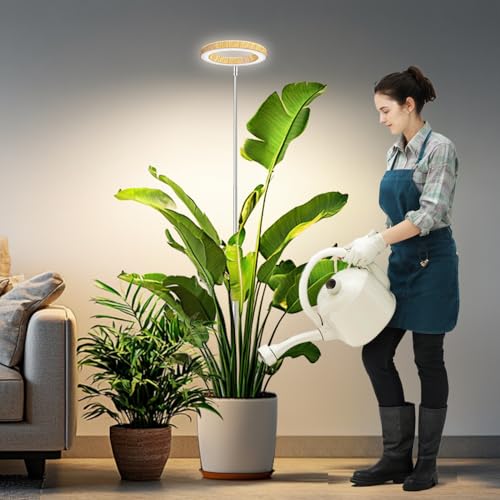
Kullsinss presents a faux woodgrain halo header for a decorative yet practical approach to indoor gardening. It provides full-spectrum light (380–760 nm) suitable for all growth phases, from seed to fruiting. The unit features five dimmable levels and three spectral modes (white, warm white plus red, or mixed). The upgraded timer supports 6/12/16-hour cycles to align with tomato developmental stages and your daily routine. Aesthetically pleasing and functionally adaptable, this option can fit into living spaces while delivering the light tomato plants need to thrive inside the home.
Buying Guide: Key Purchase Considerations For Tomato Lighting
- Spectrum needs: Tomatoes respond well to full-spectrum light with balanced red and blue channels. Look for a setup that covers 380–800 nm or similar ranges and offers a red/blue emphasis option for fruiting stages.
- Intensity and PPFD: High photosynthetic photon flux density (PPFD) supports robust growth. For small to medium tomato setups, seek lights with adjustable intensity or multiple brightness levels to avoid leaf burn and ensure even canopy coverage.
- Timer options: Auto on/off timers reduce maintenance and support consistent day-night cycles. Common durations include 3/6/12 hours per day; ensure the timer cycles align with your grow schedule.
- Height and adjustability: Tomatoes grow tall and spread wide. Choose lights with adjustable height, gooseneck flexibility, or tripod stands to target the canopy and lower leaves effectively without shading.
- Energy efficiency and heat: LED-based systems save electricity and generally emit less heat, reducing the risk of overheating your tomato plants. Consider heat dissipation features and venting when selecting a long-term setup.
- Mounting options: Clip-on, stand-alone, or floor-standing configurations each suit different spaces. Clip-on units work well for desks or shelves, while stands fit larger setups or corners with higher ceilings.
- Durability and warranty: Tomato lights endure regular use. Look for durable housings, stable mounts, and a reasonable warranty period for long-term peace of mind.
Choosing the right grow light depends on your space, tomato variety, and preferred care routine. For compact kitchens or balcony spaces, a clip-on unit with a robust timer and adjustable brightness can be enough to maintain seedling vigor and early fruiting. In larger indoor setups, a stand-mounted or floor-standing fixture with full-spectrum output and high PPFD provides uniform canopy coverage and supports both determinate and indeterminate tomato varieties. If you grow across seasons or frequently adjust plant heights, prioritize adjustable stands, tall tripods, or flexible goosenecks to maintain proper distance and light penetration.
Practical tips for tomato lighting success:
– Place lights 12–24 inches above the canopy during vegetative growth; lower as plants mature, ensuring leaves don’t burn.
– Cycle 12–16 hours of light per day during peak vegetative development, tapering to 12–14 hours during fruiting for stable yields.
– Use a reflective surface around the plants to maximize light use and reduce wasted energy.
– Monitor plant health indicators (leaf color, stem thickness, fruit set) and adjust intensity in increments to avoid shock.
By choosing a grow light that matches your space and tomato-growing goals, you can achieve strong foliage, healthy flowering, and abundant fruiting—regardless of outdoor light constraints.