Finding the right hole digger for trees requires considering power, torque, ease of use, and durability. The following picks cover electric and gas-powered options suitable for tree planting, fence posts, and garden installations. This guide compares performance, ergonomics, and maintenance to help you choose a tool that fits your soil type and elevation needs.
| Product | Brand | Engine / Power | Drill Bits Included | Notes |
|---|---|---|---|---|
| VEVOR Electric Post Hole Digger | VEVOR | 1500W | 10.24 in extension, 5.71 in bit | High torque for deep holes |
| 72CC Auger Post Hole Digger | Prowoo | 72cc Gas | 6″ & 8″ bits | Two-person capable for tough soil |
| DC HOUSE Post Hole Digger | DC HOUSE | 52cc Gas | 6″ & 10″ bits | EPA Certified engine |
| XtremepowerUS Electric Post Hole Digger | XtremepowerUS | 1500W | 6″ auger bit | Safety lock and durable build |
| Yoputetool Gas Powered Planting Digger | Yoputetool | 33cc Gas | Not specified in listing | High torque for fast digging |
VEVOR Electric Post Hole Digger Review

The VEVOR Electric Post Hole Digger is built around a high-power 1500W motor, capable of drilling up to 5.91 inches in diameter and extending to about 36.42 inches deep. It uses a durable alloy steel auger bit with a protective coating to resist rust and impact. The tool spins at 140 RPM, delivering precise and efficient holes for tasks such as fence installation and tree planting. This option emphasizes stability and speed, making it suitable for home and farm projects where quick turnover matters.
Prowoo 72CC Auger Post Hole Digger

Powered by a 72cc gasoline engine, the Prowoo auger is designed for heavy-duty use, suitable for fence posts, trees, and shrubs. It includes 6″ and 8″ drill bits plus a 60 cm extension rod to handle tougher soil. The unit offers an ergonomic grip and straightforward throttle control, making it manageable for single operators or with help for deeper installations. It’s a versatile gun for faster digging in mixed ground conditions.
DC HOUSE Post Hole Digger, 52cc

The DC HOUSE 52cc gas-powered digger emphasizes EPA certification and robust performance. It includes two drill bits (6″ and 10″) and extension rods, designed to handle fence posts, trees, and garden installations. The engine setup highlights a single-cylinder, two-stroke design with easy starting, a centrifugal clutch, and a high-reliability carburetor system. It targets users who need a capable, field-ready auger with steady power for demanding digs.
XtremepowerUS 1500W Electric Post Hole Digger
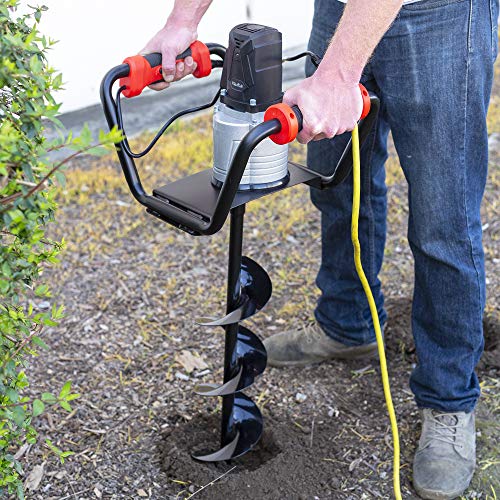
The XtremepowerUS electric model offers a 1500W motor with a 6″ digging bit and a safety lock, enhancing control during operation. Its design focuses on user stability, skid-proof handles, and durable construction to withstand regular digging for fences, decks, and tree planting. It serves as a practical choice for homeowners seeking an electric option with straightforward start-up and reliable performance.
Yoputetool 52cc Gas Powered Planting Digger
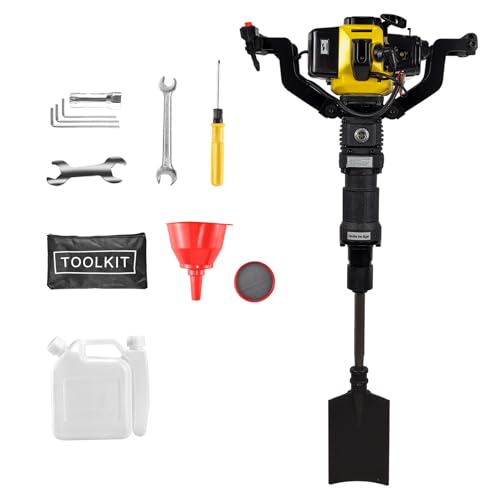
The Yoputetool tree digging machine runs on a 33cc two-stroke engine with a high torque output and rapid digging capability. It is designed to be portable, with a length around 38 inches and a relatively light weight for easy handling during extended digging sessions. Its resin- and alloy-based construction aims to balance durability with mobility for garden and farm use, including tree planting and trench work.
Buying Guide
Key purchase considerations for hole diggers used with trees include power type, soil conditions, hole diameter and depth needs, and operator ergonomics. Electric models tend to be cleaner and quieter, ideal for small to medium yards with soft to moderately tough soil. Gas-powered diggers provide more torque and longer runtime for tough earth and larger projects, but require fuel management and louder operation.
Important factors to compare:
- Power source: Electric vs gas. Gas engines deliver more torque for dense soil and roots; electric models offer simpler maintenance and less noise.
- Hole size and depth: Check the maximum diameter and depth per model and ensure it matches your typical project requirements, including tree planting and fence posts.
- Drill bits and extensions: Availability of 6″, 8″, 10″ bits and extensions can influence reach and capability in varying soil types.
- Weight and ergonomics: Look for comfortable handles, anti-vibration features, and manageable weight for prolonged use.
- Safety features: Start locks, blade guards, and stable bases help prevent injuries during operation.
- Durability and maintenance: Coatings, corrosion resistance, and ease of blade replacement affect long-term performance.
For selecting the right tool, assess your typical soil (rocky, clay, or sandy), required hole dimensions, and whether you need mobility between multiple sites. If you regularly plant trees or install fence posts on a large area, a gas-powered digger with multiple bit options may provide the best efficiency. For occasional use or small plots, a high-powered electric model can be a convenient, lower-maintenance option.