Choosing the right soil acidifier can help azaleas and other acid-loving plants thrive by lowering soil pH and improving nutrient uptake. The following selections are popular options among gardeners who want to boost blooms and overall plant health in beds, containers, and borders. Each product is selected for pH adjustment, compatibility with azaleas, and availability for American gardeners.
| Product | Key Benefit | Ideal For |
|---|---|---|
| True Organic Soil Acidifier | Lowers soil pH; blue hydrangeas possibility | Azaleas, hydrangeas, rhododendrons |
| GARDENWISE 8-4-8 Fertilizer | Soil acidification plus micronutrients | Azaleas, camellias, blueberries |
| Espoma Organic Soil Acidifier 6 Lb | Organic sulfur-based pH lowering | Azaleas, hydrangeas, rhododendrons |
| Espoma Organic Soil Acidifier 30 Lb | Large-batch soil amendment | Organic gardens with acid-loving plants |
| Bloom City Acid-Loving Plant Fertilizer | Soil acidity maintenance for multiple plants | Azaleas, rhododendrons, blueberries |
True Organic Soil Acidifier For Acid-Loving Plants

True Organic Soil Acidifier lowers soil pH to create an environment favorable for acid-loving plants. It is especially noted for hydrangea blueing potential, and it supports the vitality of azaleas, rhododendrons, blueberries, and camellias. This 6 lb bag is designed for small to medium garden beds or container plantings, providing a straightforward way to push soil toward the acidity range preferred by many ornamentals.
GARDENWISE 8-4-8 Acidic Fertilizer For Azaleas And More

This product acts as both a soil acidifier and a plant food, enriched with magnesium, iron, and manganese to combat chlorosis in acid-loving plants. It suits azaleas, camellias, rhododendrons, hydrangeas, and other acid lovers, including evergreen species and blueberries. Its bio-solid formulation adds microbial life to the soil, aiming to promote healthier root systems and sustained growth over time.
Espoma Organic Soil Acidifier 6 Lb
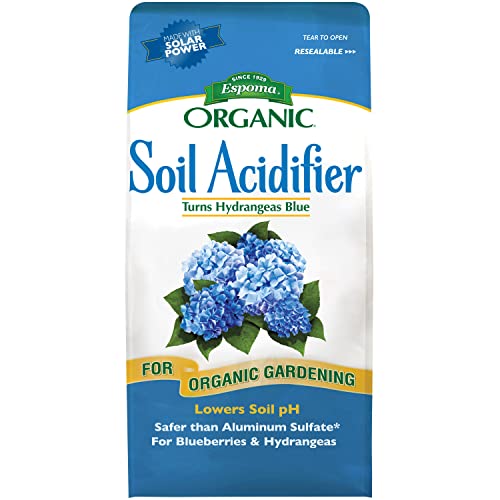
Espoma’s Organic Soil Acidifier 6 Lb is formulated to lower soil pH for acid-loving plants and to turn hydrangeas blue when used as part of an ongoing soil management plan. It contains elemental sulfur and gypsum, providing a practical option for gardeners seeking an organic approach compatible with home gardens and organic programs.
Espoma Organic Soil Acidifier 30 Lb

This larger bag from Espoma delivers the same elemental sulfur and gypsum-based formulation in a volume suitable for larger beds or ongoing gardening projects. It supports azaleas, hydrangeas, rhododendrons, and other acid-loving plants, helping to maintain an acidic soil environment over time and promoting blue blooms where desired.
Bloom City Acid-Loving Plant Fertilizer
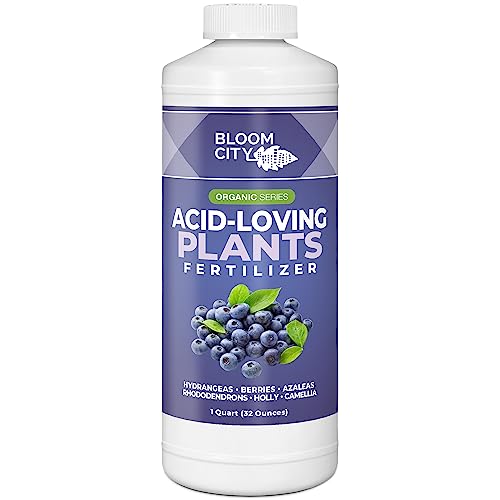
Bloom City’s Acid-Loving Plant Fertilizer focuses on maintaining soil acidity while supplying essential nutrients. It is suitable for azaleas, rhododendrons, blueberries, and other plants that require acidic conditions, and includes succinic acid components to optimize soil acidity and nutrient uptake for robust plant health.
Buying Guide: Key Purchase Considerations
- Soil pH targets: Different azalea varieties and companion plants prefer varying pH ranges. Consider a product labeled for lowering pH and monitor soil with a test kit to avoid overshooting acidity.
- Formulation and organic options: Elemental sulfur-based products are common for organic gardening. Gypsum can be combined to address calcium needs without overly acidifying.
- Application rate and coverage: Bag size and recommended application frequency matter for beds vs. containers. Start with the lower end of the range and re-test soil.
- Additional nutrients: Some products include iron, magnesium, or micronutrients to combat chlorosis and support bloom quality in acid-loving plants.
- Soil health benefits: Some options incorporate beneficial microbes or bio-solids that may enhance microbial activity and overall soil vigor beyond pH adjustment.
- Hydrangea color goals: If blue blooms are a priority, align your pH management with watering and fertilizer practices designed to promote aluminum uptake in hydrangeas.
- Organic vs. synthetic: Organic options often appeal to gardeners pursuing sustainable practices, though synthetic amendments may provide faster pH changes in certain soils.
- Container vs. garden beds: Containers can require more frequent applications due to limited soil volume and faster pH shifts from irrigation water.