If you’re upgrading garden borders, rubber edging offers a durable, flexible alternative to metal and hard plastics. It resists weather, resists cracking, and can be shaped to fit curves and irregular beds. This guide highlights top rubber edging options and practical buying tips to help American DIYers and landscapers choose edging that stays neat season after season.
Summary of selected products:
| Product | Brand | What It Excels At |
|---|---|---|
| EcoBorder 4 ft. Easy to Install No Digging Flexible and Sturdy Rubber Landscape Edging | EcoBorder | No-dig installation, flexible yet sturdy, hardware included |
| GROWNEER 66FT Landscape Edging Kit | GROWNEER | All-in-one kit with spikes and hammer, customizable length |
| MIXC Garden Edging Border, 33FT | MIXC | Tool-free, long roll with stakes, flexible for curves |
| Rubberific Premium Rubber Angled Edging (4 ft. Pack) | Rubberific | Elegant faux-stone look, recycled rubber, easy install |
| VEVOR Recycled Rubber Mulch Mat 120 x 4.5 in | VEVOR | Weed control and drainage with breathable design |
EcoBorder 4 ft. Rubber Landscape Edging
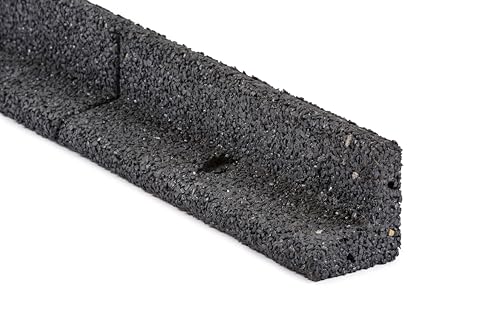
EcoBorder edging is designed for straightforward installation with hardware included. The edging is described as sturdy and flexible, suitable for various landscaping types. Its no-dig, quick-install approach helps maintain clean lines without trenching, making it a practical choice for borders around beds, ponds, and pathways. The product highlights emphasize reconfiguration ease — helpful for changing garden plans or expanding borders over time.
GROWNEER 66FT Landscape Edging Kit

This all-in-one kit combines 66 feet of edging with 60 galvanized steel spikes and a hammer. The design emphasizes effortless installation: bend the edging along curves, then secure with spikes. The material is described as durable PE suitable for customizing straight lines, curves, and circular beds. It supports expandable designs by connecting multiple kits, which is ideal for larger landscape outlines or multi-bed layouts.
STIRLINGEAR 20ft. 6-Pack Galvanized Steel Landscape Edging
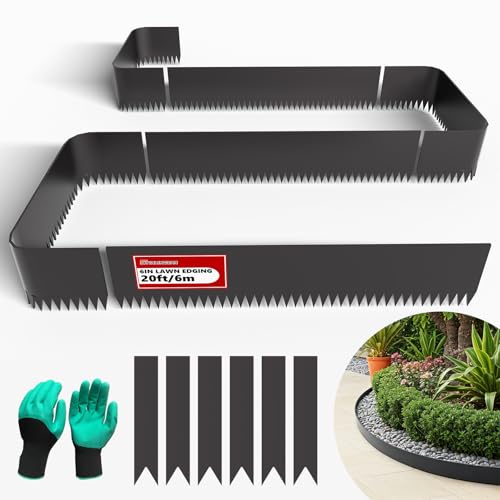
Note: This product uses galvanized steel edging rather than rubber. It is included here for comparison to show alternate materials offering a high-strength border. Features include rust resistance and a seamless connection design to create uniform lines along borders. Easy installation with a rubber mallet makes it a compelling option for users prioritizing a sharp, modern edge with long-term durability in tough outdoor conditions.
MIXC Garden Edging Border, 33FT

The MIXC edging border offers a 33-foot roll of 2-inch-tall edging designed for flexible landscaping. The kit includes 50 stakes and promotes tool-free installation. It’s described as weather-resistant rubber, allowing easy shaping for curves, circles, or straight lines while remaining durable across seasons. The stakes provide solid ground anchorage, and the system is suited for flower beds, tree rings, paths, and yard borders, with simple trimming as needed.
Rubberific Premium Rubber Angled Edging

Rubberific offers a four-foot-long angled edging pack that mimics a brick-like border with a faux-stone aesthetic. It uses recycled rubber to achieve a sturdy, elegant edge while reducing labor and installation time. This product emphasizes an eco-friendly build and long-lasting durability, presenting a visually appealing border that complements gravel, mulch, and planting beds without the maintenance demands of concrete or metal borders.
VEVOR Recycled Rubber Mulch Mat

VEVOR presents a 4-pack of recycled rubber mulch mats, marketed for weed control, mud prevention, and drainage. The design highlights breathability with fiber gaps that promote air circulation and water movement to plant roots, reducing soil compaction and keeping garden edges neat. This option can act as a liner or border along planting beds, walkways, and raised planters, while also offering a weed-suppressing layer beneath mulch or soil.
Buying Guide: Key Purchase Considerations
- Material and durability: Rubber edging resists cracking and weathering better than some plastics. Look for recycled-rubber blends for eco-friendly options or high-density plastics if you prefer stiffness and long-term resilience.
- Installation method: No-dig or minimal-dig designs save time. Consider whether your project requires stakes, mallets, or connectors and whether the product includes hardware.
- Flexibility and shaping: For curved beds and irregular borders, flexible edging that holds shape after bending is essential. Check if the product is easily cut or trimmed to fit unique layouts.
- Height and width: Taller borders (4–5 inches) help block grass invasion and define edged beds, while lower borders work well for pathways and lava rock borders. Choose height based on the plants and foot traffic in the area.
- Aesthetic options: Rubber edging can mimic stone or provide a clean, contemporary line. Some products offer faux-stone appearances that blend with hardscape features.
- Stability and anchoring: Spikes, clips, or connectors improve stability, especially in soft soil or high-traffic areas. Ensure your kit provides compatible anchors for your ground conditions.
- Maintenance and longevity: Look for UV resistance, weather tolerance, and ease of cleaning. Recycled rubber options typically resist weathering longer than some non-rubber plastics.
- Environmental impact: Recycled rubber edging reduces waste and provides a durable border. If sustainability matters, verify material claims and certifications when possible.
- Compatibility with landscaping: Consider edging that works with mulch, soil, gravel, and pavers. Some designs pair well with adjacent hardscapes for a cohesive look.
When selecting rubber edging, balance installation ease with long-term durability and appearance. For larger projects, kit options with included stakes and a seamless connection system can save time and ensure a uniform border. For decorative borders, blends that imitate natural textures while remaining flexible offer the best visual impact with minimal labor.