Roses benefit from gentle, effective pest control that protects blooms without harsh residues. Insecticidal soaps provide a targeted approach against soft-bodied pests commonly found on roses, such as aphids, whiteflies, and spider mites. This guide reviews five reliable options, highlighting usage, organic suitability, and practical tips to keep rose bushes vibrant throughout the growing season.
Summary of selected products
| Product | Brand | Form | Key Use |
|---|---|---|---|
| Garden Safe 32 oz Insecticidal Soap Ready-to-Use | Garden Safe | Ready-to-Use | Outdoor/indoor use on vegetables, ornamentals; day-of-harvest friendly |
| Bonide Insecticidal Soap 32 oz Ready-to-Use Spray | Bonide | Ready-to-Use | Outdoor residential gardens; broad pest coverage |
| Safer 5118-6 Insect Killing Soap Concentrate | Safer | Concentrate | Organic use; kills aphids, whiteflies, mites |
| NATRIA Insecticidal Soap, Ready-to-Use Garden Bug Treatment | Natria | Ready-to-Use | Indoor/outdoor plants; easy spray application |
| Bonide Captain Jack’s Insecticidal Super Soap 32 oz | Bonide | Ready-to-Use | Outdoor use; dual-action kill via contact and ingestion |
Garden Safe Insecticidal Soap Ready-to-Use

This ready-to-use spray requires no mixing, making it convenient for quick treatment of roses. It targets soft-bodied pests on all plant parts, including leaf undersides. Suitable for organic gardening, it can be used indoors, outdoors, and in greenhouses on a wide range of crops and ornamentals. It is labeled safe for day-of-harvest use on edibles, which supports flexible rose maintenance without downtime.
Bonide Insecticidal Soap, 32 oz Ready-to-Use Spray
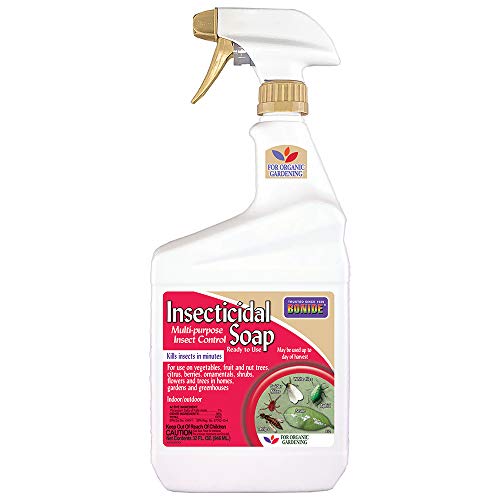
Bonide’s insecticidal soap provides broad coverage against adelgid, aphid, caterpillar, spider mite, thrip, and more. It is designed for outdoor residential use in gardens, lawns, and greenhouses, with applications on herbs, fruits, vegetables, and ornamentals. The product acts through direct contact and ingestion, providing flexible control when pests feed on leaves and surfaces.
Safer Insect Killing Soap Concentrate
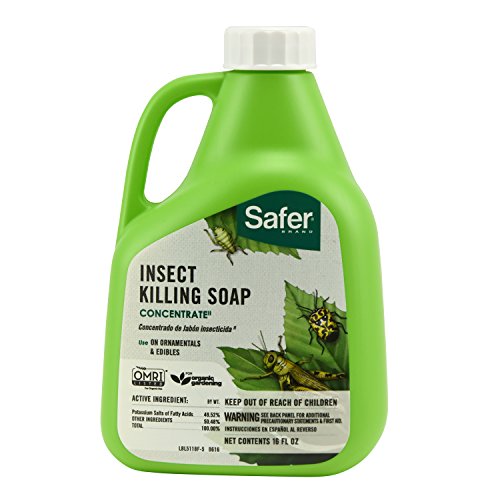
This concentrate is gentle on most plants and effective against a range of pests including aphids, mealybugs, spider mites, and whiteflies. It is OMRI-listed for organic use, making it suitable for rose care in organic setups. Spray when damage appears and reapply every 5-7 days during active infestations, up to the day of harvest for edible plants alongside ornamentals.
NATRIA Insecticidal Soap, Ready-to-Use Garden Treatment

Natria’s ready-to-use formulation offers simple application for indoor and outdoor plants. It targets common rose pests such as aphids, mealybugs, mites, and whiteflies, while being permissible up to the day of harvest for edible plants. The spray is designed for ease of use, making routine rose care straightforward.
NATRIA Insecticidal Soap 1 Gallon
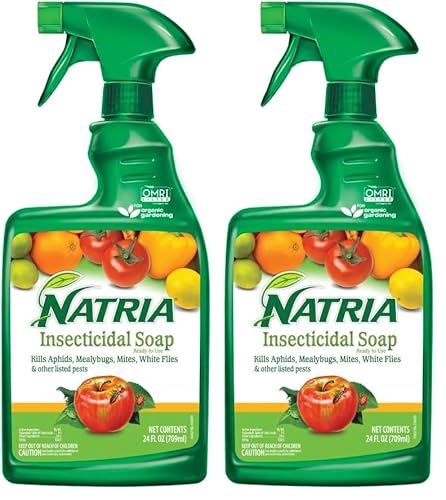
This larger ready-to-use option provides a cost-effective solution for bigger rose beds or multiple plants. It is effective against aphids, mealybugs, mites, and whiteflies, with application guidelines aligned to a season-long protection approach. The product is suitable for indoor and outdoor use, compatible with organic gardening practices.
Bonide Insecticidal Soap Pack of 2

This pack offers two bottles of Captain Jack’s Insecticidal Super Soap, suitable for outdoor use on home gardens, lawns, ornamentals, and greenhouses. It defends roses by killing pests on contact and through ingestion, providing robust two-way action against aphids, whiteflies, caterpillars, and more. The product supports ongoing pest management across a season.
Buying Guide
- Target pests: Look for soaps labeled effective against aphids, whiteflies, mites, and caterpillars, which are common on roses.
- Form and usage: Ready-to-use formulas are quick, while concentrates require dilution. Choose based on garden size and preference for mixing.
- Organic suitability: If you garden organically, verify OMRI-listed or clearly labeled organic-friendly formulas to align with your practices.
- Plant safety: Check that the product is safe for roses and for use on edible plants if you harvest edible parts near treated areas.
- Application timing: Apply at first sign of pests and repeat every 5-7 days or per label guidance during infestations for best results.
- Weather considerations: Apply on dry, calm days to minimize drift and maximize leaf contact. Avoid extreme heat to reduce leaf burn risk.
- Coverage and contact: Thoroughly cover both sides of leaves and new growth for effective control, especially on undersides where pests hide.
- Resistance management: Rotate products with different active components or modes of action to prevent pest resistance buildup.
- Safety and handling: Wear gloves and follow label directions for safe handling and disposal of containers and leftovers.
- Environment: Consider pollinators; apply when blooms are not in full morning or late-day bloom to minimize exposure of bees and butterflies.