Zone 6 gardeners want trees that stay manageable, survive winter freezes, and still offer beauty or fruit. The following five selections are well suited to Zone 6 climates, focusing on compact growth, reliable hardiness, and practical use in home landscapes. Each option includes a quick look at appearance, growth habit, and care considerations to help you choose the right small tree for your yard or container garden.
| Product | Use Case | Key Benefit |
|---|---|---|
| Colorado Blue Spruce Tree Plug Seedlings | Windbreaks, privacy, year-round color | Dense foliage; silvery-blue needles |
| Live Pine Tree Seedling Collection, 6 Variety Pack | Native-style evergreens; flexible planting options | Multiple pine varieties in one pack |
| 10 English Yew Tree Seeds | Hedge shapes, formal borders | Very adaptable; easy to prune into shapes |
| Red June Plum | Small fruit tree for containers or small yards | Self-fruitful; edible fruit |
| Parfianka Pomegranate Tree | Fruit production in containers or compact beds | Sweet red fruit; hardy in Zones 7–10 (management in 6) |
Colorado Blue Spruce Tree Plug Seedlings
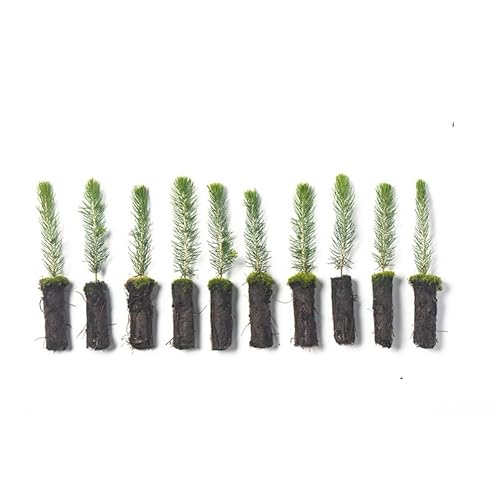
The Colorado Blue Spruce is a classic evergreen that holds its color year-round. Sold as 6-12 inch plugs, these seedlings arrive with a strong root system, ready for quick planting in zones suitable for spruce varieties. Ideal as windbreaks or privacy screens, this stocky evergreen creates a striking, silvery-blue focal point in any landscape. Regular watering after planting and mulching will help establish the roots in Zone 6’s variable conditions.
Live Pine Tree Seedling Collection, 6 Variety Pack

This variety pack offers six different pine saplings, professionally grown and potted to simplify initial care. Pine trees are well-suited to Zone 6 winters and can provide evergreen presence while you decide on the final landscape layout. Each sapling is shipped in sturdy containers with a quality soil mix, making transplanting straightforward. Expect adaptable growth and a reserve of adaptable options for windbreaks, screens, or accent plantings over time.
Red June Plum

The Red June Plum offers a compact option for edible landscaping. This self-pollinating fruit tree is suited for zones 5 through 9, including Zone 6 with proper sun and soil. It ships bare-root at times and typically reaches a modest size that is manageable in smaller yards or container setups. This cultivar is valued for producing sweet, juicy fruit with relatively simple care and pruning needs, provided you meet its sun and drainage requirements.
Parfianka Pomegranate Tree
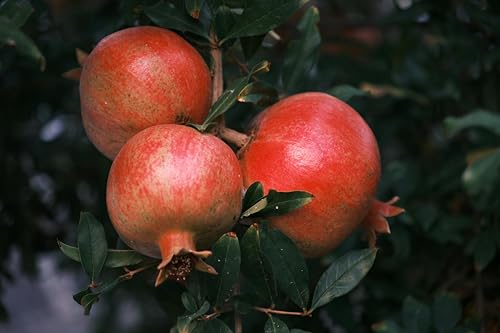
The Parfianka Pomegranate is a starter tree that can adapt to containers or small garden beds. It ships as a 5-8 inch tall plant and produces medium-to-large, deep red arils with a sweet-tresh flavor profile. While typically associated with Zones 7–10, it can perform in Zone 6 with winter protection and careful placement in a sunny, well-drained location. This option provides an appealing fruiting choice for compact urban spaces or patios.
Buying Guide: Key Purchase Considerations For Zone 6 Small Trees
- Hardiness and microclimate: Zone 6 experiences cold winters and variable summers. Choose species with proven tolerance to freezing temperatures and summer heat, and consider protected microclimates such as southern exposures or wind-sheltered spots.
- Growth habit and eventual size: Small or dwarf varieties are ideal for tight spaces. Note the expected mature height and spread to avoid overplanting or crowding utilities and structures.
- Light requirements: Full sun typically yields the best flowering and fruiting results, but some trees tolerate light shade. Plan plantings based on sun exposure in your yard or balcony.
- Soil and drainage: Most small trees prefer well-drained soil. Amend heavy clay with organic matter, or select varieties that tolerate a range of soil types.
- Watering and establishment: New transplants need consistent moisture until established. Mulching helps retain moisture and regulate soil temperature during Zone 6 transitions.
- Maintenance needs: Consider pruning needs, pest resistance, and cultivar-specific care (for example, evergreen maintenance or fruiting pruning).
- Container vs. ground planting: Containers restrict root growth but enable mobility and seasonal transformations. Ensure containers have drainage and are sized for the tree’s root mass.
- Longevity and mulch: Some trees are long-lived performers; others may be shorter-lived but provide seasonal appeal. Plan for mulch paths, accessibility, and garden flow when selecting.
- Pollination and fruiting (for fruiting trees): Determine if the cultivar is self-pollinating or requires a pollinator. For Zone 6, container-grown fruit trees can still yield with appropriate sun and soil.