Starting seeds indoors requires the right containers to promote strong root growth, easy transplanting, and minimal waste. The pots below are selected for their materials, drainage, and transplant-friendly designs. Whether you prefer biodegradable options or reusable plastic trays, these picks help beginners and seasoned gardeners alike achieve higher germination success and healthier seedlings.
Summary of chosen products:
| Product | Brand | Type | Key Benefit |
|---|---|---|---|
| Back to The Roots Seed Starting Pots (24 CT) | Back to The Roots | No glues, breathable roots, transplant-friendly | |
| Back to The Roots Plantable Seed Starting Pots (8 CT) | Back to The Roots | Breathable, versatile for seeds and small plants | |
| Doubleggs 70-Pack 3.15″ Square Peat Pots | Doubleggs | Includes labels; soil-friendly disposal | |
| Burpee SuperSeed Seed Starting Tray (16 XL Cell) | Burpee | Smart drainage, easy transplanting | |
| TDHDIKE 4″ Small Plastic Plant Nursery Pots (100pcs) | TDHDIKE | Drainage holes; ample quantity |
Back to The Roots Seed Starting Pots (24 CT)

The Back to The Roots 24-count seed starting pots are designed to be 100% biobased and free of glues or binders, aligning with USDA certified organic standards. These breathable pots support healthy root development and drainage, helping minimize transplant shock as seedlings move to larger containers or outdoor beds. The peat-free composition makes them environmentally friendly and easy to dispose of when planted directly in the garden. This option is suitable for gardeners seeking simple, plantable solutions with strong root health benefits.
Key benefits include robust root aeration, reduced transplant stress, and an emphasis on sustainability. The pots are designed to break down naturally when transplanted, turning into organic matter that nourishes soil rather than lingering as waste. For beginners, these pots offer a straightforward, bucket-to-bed transition that reduces handling and root disturbance during transplanting.
Back to The Roots Plantable 4.25″ Seed Starting Pots (8 CT)

This 8-pack features 4.25-inch wide pots ideal for starting a broader range of seeds or transplanting a few robust seedlings. The plantable design emphasizes root health with breathable material and no added glues, ensuring strong early growth. The pots are versatile for flowers, herbs, and vegetables, and they support easy transplanting as roots develop. Gardeners who want a compact, plantable option for larger starter plants will appreciate the spacious 4.25-inch opening.
Advantages include great drainage, reduced transplant shock, and flexibility for different plant types. The plantable nature of these pots means you can move seedlings with confidence or plant the entire pot into the ground or a larger container without disturbing the root ball. This reduces root damage and supports healthier establishment in the garden.
Doubleggs 70-Pack 3.15″ Square Peat Pots

The Doubleggs kit provides 70 plant germination pots with 100 labels and two mini transplanting tools. Made from recycled pulp, these pots mimic clay’s breathability while offering biodegradability, making them a strong environmental choice. The seeds-to-soil transition is smooth, as the pots biodegrade into organic nutrients when planted, minimizing transplant shock and simplifying garden setup. Labeling helps with seed variety management and ongoing care.
These pots are ideal for gardeners prioritizing biodegradability without sacrificing usability. The included labels help organize different seed types while the compact 3.15-inch size is suitable for a wide array of herbs, vegetables, and flowers. The blend of breathability and easy disposal supports sustainable seed starting practices.
Burpee SuperSeed Seed Starting Tray (16 XL Cell)

The Burpee SuperSeed tray offers 16 extra-large, flexible pop-out cells designed for easier root formation and transplanting. The larger cells accommodate deeper root systems, which is beneficial for deep-rooted vegetables or perennials. An integrated Plant-o-Gram diagram and alphanumeric row labels support seed identification and tracking from germination to transplant time. The tray features molded corner drainage slots and a raised perimeter to limit spills, simplifying watering and maintenance.
Transplanting is streamlined by soft, food-grade silicone cells that pop out with minimal root disturbance. After transplant, the tray is easy to clean, reusable, or storable for future seasons. For gardeners seeking a reusable, well-designed starting system with clear seed-to-plant mapping, this tray offers a robust option with practical drainage and maintenance benefits.
TDHDIKE 4″ Plastic Plant Nursery Pots (100pcs)
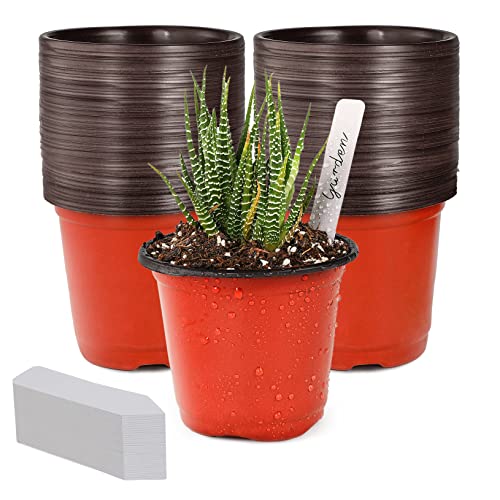
The TDHDIKE 100-piece set provides 4-inch plastic nursery pots with ample drainage holes to support soil aeration and root health. The top opening is 4 inches wide, with a 2.5-inch bottom diameter and a 3.2-inch height, a compact yet roomy size suitable for many seed types. The set comes with 100 plant labels for easy seed identification, making it a practical option for batch germination projects or classroom settings. The pots are designed for indoor or outdoor seed starting and transplanting, offering a balance between durability and ease of use.
Pros include predictable sizing, reliable drainage, and the convenience of labeling. The plastic construction allows repeated use across seasons, and the included labeling helps gardeners manage multiple seed varieties or experiments. Potential cons to consider are plastic waste and the need for eventual replacement or cleaning between cycles.
Buying Guide: Key Purchase Considerations
- Material and sustainability: Biobased and biodegradable pots minimize waste and align with eco-friendly gardening practices. Reusable plastic options reduce ongoing cost, but require cleaning between cycles.
- Root health and drainage: Breathable materials, drainage holes, and cell size influence germination success and root development. Larger cells support deeper roots; proper drainage prevents waterlogging and root rot.
- Transplant ease: Pots that can be transplanted with minimal root disruption help reduce transplant shock. Plantable pots let you move seedlings without disturbing roots.
- Labeling and organization: Sets that include plant labels or diagrams aid in seed tracking and care schedules, especially when managing multiple varieties.
- Size and versatility: Choose sizes aligned with your seed types. A mix of small pots for tiny seeds and larger pots for bigger seedlings provides flexibility across plant families.
- Cost vs. value: Bulk sets offer savings for large batches but consider long-term usage. Durable trays with reusable features may offset higher upfront costs over time.
- Gardening context: Indoor seed starting may benefit from trays with launching drainage features, while outdoor plantable pots support direct planting and reduce handling.
Overall, gardeners should balance sustainability, transplant comfort, and practicality. For beginners, starter sets that include labeling and simple transplant options reduce complexity. For experienced growers, a combination of biodegradable pots for immediate sowing and durable trays for larger seedlings can optimize germination rates and reduce waste. Consider your climate, space, and preferred cultivation method when choosing the right mix of pots for seed starting.