Erosion control wattles help stabilize slopes, filter runoff, and protect soil while vegetation establishes. This article highlights five top wattles and related erosion-control products, focusing on durability, longevity, and practical use on construction sites, landscapes, and perimeter controls. Each section includes a brief product overview, key features, and guidance on installation and maintenance. A concise buying guide at the end helps you compare options and choose the right solution for your site.
Summary Of The Chosen Products
| Product | Brand | Size | Primary Use |
|---|---|---|---|
| Farm Plastic Straw Wattle (9″ x 12′) | Farm Plastic Supply | 9″ x 12″ | Temporary erosion protection, slope stabilization |
| Farm Plastic Straw Wattle (9″ x 25′) | Farm Plastic Supply | 9″ x 25″ | Perimeter controls, larger runoff channels |
| Farm Plastic Straw Wattle (9″ x 8′) | Farm Plastic Supply | 9″ x 8″ | Compact sections for tight spaces |
| Sandbaggy Empty Compost Filter Sock (8″ x 27 ft) | Sandbaggy | 8″ x 27 ft | Biodegradable wattles when filled with compost or straw |
| Jute Erosion Control, Soil Saver Mesh Blanket (48″ x 20 yd) | AK TRADING CO. | 48″ x 20 yd | Broad-area soil protection with natural fibers |
Farm Plastic Supply Straw Wattle 9″ x 12″

These straw wattles deliver robust erosion prevention for short- to mid-term projects. With a stated life of one to two years in the field, they’re designed to reduce erosion, increase filtration, and retain soil as vegetation takes hold. The wattles are built to endure tough conditions and heavy runoff, making them suitable for temporary protection during early vegetation establishment. They can also be reused in some cases, depending on placement and soil movement. Their primary application is channel and slope stabilization, where slow-moving water needs to be filtered and sediments captured before entering storm systems.
In terms of longevity, this product is rated for about four to six years of use when left in place and repurposed. This makes it a cost-effective choice for projects with recurring erosion concerns across multiple seasons. The wattles are versatile for a range of sites, including lot perimeters, construction zones, and areas where sheet erosion or rills could develop. For installation, position along the toe or edge of slopes where runoff concentrates, and ensure a tight, continuous line to maximize sediment capture. Regular inspection after storms helps maintain performance.
Farm Plastic Supply Straw Wattle 9″ x 25″
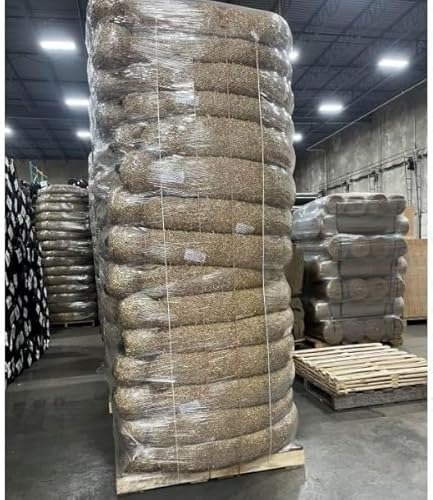
This larger straw wattle extends erosion control capacity along longer runouts and wider channels. Its dual benefit lies in sediment filtration and runoff deceleration, which reduces down-slope scouring and helps protect newly established vegetation. The product emphasizes reusability across multiple seasons, aligning with projects that require durable yet affordable stabilization solutions. The 9″ diameter is a standard size for many commercial sites and residential landscapes, making them a compatible choice for perimeter controls and slope protection in varied soil conditions.
For best results, install along contours or at the base of slopes where concentrated flow occurs. Secure wattles firmly to prevent buckling during heavy rain events and ensure continuous coverage with minimal gaps. This size is especially effective where space allows for a solid line of protection without overlapping sections. Regular maintenance after major rain events will extend performance and reduce the need for frequent replacement.
Farm Plastic Supply Straw Wattle 9″ x 8″
This compact wattle variant is ideal for tight spaces where erosion control is still necessary. The 9″ diameter is consistent with other wattles, but its shorter length makes it easier to place along narrow channels, around utility trenches, or along small access points where larger wattles won’t fit. Durability remains a focus, with the same erosion-reducing, soil-retaining properties that characterize the Farm Plastic Supply line. It serves as a practical option for landscapers and contractors who need flexible installation options on irregular terrain.
When deploying in confined areas, maintain a continuous line and avoid gaps that would create weak points in the barrier. Inspect after storms and relocate wattles if soil saturation causes seepage around the edges. Reuse is possible if the surrounding site remains stable and the wattles are not crushed or torn during installation.
Vapor Barrier Straw Wattle (9″ x 8″)

Presented as a straw log variant, this wattled barrier combines typical erosion-control benefits with a slightly different form factor. The product emphasizes the same two-to-four-year functional longevity and the ability to filter sediment from runoff. It’s well-suited for perimeter controls around construction sites, as well as works-in-progress landscapes where channel stabilization and soil retention are priorities. The straw composition supports biodegradability concerns and aligns with temporary, non-permanent erosion solutions used during site restoration.
Installation considerations include ensuring that the wattles are aligned with the flow path and placed where runoff concentrates. A continuous chain of wattles with minimal gaps helps maximize filtration and slope protection. After heavy rain events, check for displaced segments and reseat as necessary to maintain effectiveness.
Jute Erosion Control, Soil Saver Mesh Blanket
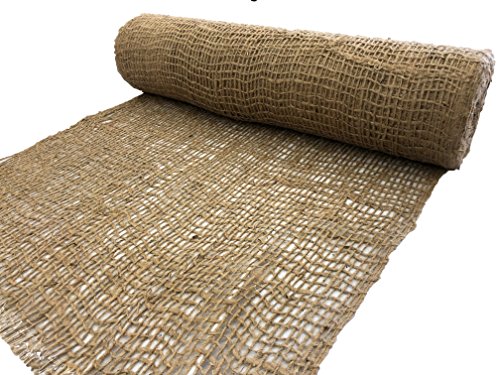
This soil saver mesh blanket is built from natural jute fibers, offering a biodegradable erosion-control option that blends with soil while providing effective protection against wind and water erosion. The blanket is designed for wide-area coverage, with dimensions of 48 inches by 20 yards, covering roughly 240 square feet. It helps stabilize soil, reduces sedimentation, and supports grass seed establishment by maintaining a conducive microenvironment for germination. The sustainability angle makes it attractive for projects prioritizing eco-friendly materials and natural degradation timelines.
Jute blankets are often chosen for temporary stabilization in landscaping, road construction, or industrial sites where fast establishment of vegetation is desirable. Proper installation involves anchoring the blanket securely to resist wind uplift and ensuring consistent contact with the soil surface to prevent gaps where runoff could bypass the cover. Over time, the jute fibers biodegrade, leaving behind a stabilized seedbed and reduced erosion risk during the early growth stage.
Buying Guide: Key Purchase Considerations And Comparisons
- Material and biodegradability: Straw wattles offer robust temporary protection with easy handling, while burlap and jute products provide biodegradable options that support soil health and seed germination. Consider site goals and environmental regulations when selecting materials.
- Size and coverage: Larger wattles (e.g., 9″ x 25″) cover more area per segment and are suitable for longer slopes, whereas smaller sizes work well in tight spaces or around obstacles. Plan layout to minimize gaps and optimize sediment capture.
- Durability and reuse: Wattles can be reusable in some installations, while others are intended for single-season use. Assess expected runoff intensity and project duration to estimate total cost of ownership.
- Installation and maintenance: Proper anchoring, alignment along contours, and continuous lines are essential. Post-storm inspections help identify displacement or erosion of wattles and guide timely repositioning.
- Environmental impact: Biodegradable options reduce long-term waste and support soil enrichment as fiber materials decompose. For sensitive habitats, prefer materials with minimal chemical additives and low ecological impact.
- Application versatility: Wattles are ideal for slope stabilization, channel protection, perimeter controls, and construction-site sediment capture. When choosing between wattles and blankets, consider whether area-wide coverage or targeted channel protection is needed.
- Compliance and standards: Check local regulations for erosion-control products, especially on compliant construction sites and road projects, to ensure chosen materials meet DOT or environmental guidelines where applicable.