Choosing the right rain sensor can dramatically cut water waste and protect your landscape from overwatering. The following products represent reliable options across wired and wireless designs, with adjustable rain thresholds, temperature sensing, and easy installation. This guide compares features to help homeowners select a rain sensor that fits their sprinkler controller and climate.
| Product | Brand | Key Benefit |
|---|---|---|
| Rain Bird CPRSDBEX Wired Rain Sensor | Rain Bird | Automatic shutoff and restart; adjustable rainfall settings |
| Orbit 57069N Rain & Freeze Sensor | Orbit | Detects rain and low temperature; weather-resistant wiring |
| Rain Bird Wireless Rain & Freeze Sensor System | Rain Bird | Wireless control and freeze protection; up to 35% water savings |
| Hunter Sprinkler MINICLIK Rain Sensor | Hunter | Simple installation; auto-stop and resume irrigation |
| Hunter Sprinkler WRFCLIK Wireless Rain/Freeze-Clik | Hunter | Wireless rain and freeze control; easy eave or wall mounting |
Below are five curated rain sensors designed for American lawns and gardens, balancing reliability, ease of installation, and compatibility with common controllers.
Rain Bird CPRSDBEX Wired Rain Sensor

The Rain Bird CPRSDBEX wired sensor automatically stops and restarts the sprinkler system when rain is detected, conserving water and money. It offers quick and easy adjustment of rainfall settings from 1/8″ to 3/4″ with a simple twist of the dial. An adjustable side vent ring helps the sensor dry out after rainfall, improving reliability in damp environments. This model is compatible with most standard controllers that accept a rain sensor input.
Orbit 57069N Rain & Freeze Sensor
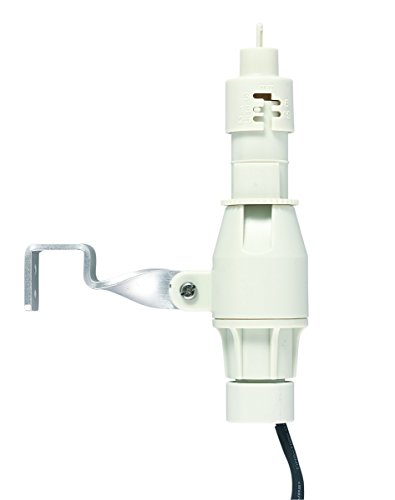
The Orbit 57069N sensor detects both rainfall and freezing temperatures to automatically suspend irrigation. It uses weather-resistant wire runs from the controller to an exterior area and relies on water-absorbing disks that expand when wet, triggering a pause in watering. This model suits outdoor installations where temperature fluctuations are a concern and a durable, weatherproof setup is needed.
Rainbird Wireless Rain & Freeze Sensor System
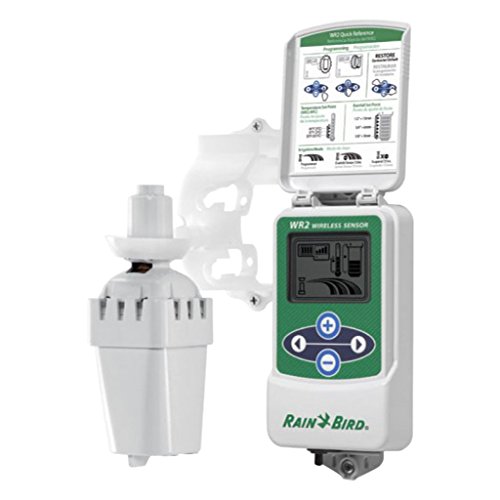
This wireless Rain Bird system shuts off irrigation when rain is detected and also includes a freeze sensor to stop watering when temperatures fall below a set point. It can save up to 35% on water usage. The interface is described as intuitive with icon-driven programming. Note: Not compatible with Rain Bird ESP-SMT or ESP-SMTe controllers. Rainfall settings range from 1/8 in to 1/2 in, with low-temperature settings from 33°F to 41°F.
Hunter Sprinkler MINICLIK Rain Sensor

The Hunter MINICLIK offers easy installation on almost any automatic irrigation system. It stops scheduled irrigation when it detects a pre-set level of rainfall and resumes normal irrigation after the weather clears. This model emphasizes straightforward setup and dependable rain-triggered shutoff to protect landscapes and reduce water waste.
Hunter Company Wired Mini-Clik Rain Sensor

The Hunter wired Mini-Clik sensors save water by halting irrigation when rainfall is detected across a range of ⅛” to ¾”. They are debris-tolerant to maintain reliability in dirty outdoor environments and are compatible with Hunter controllers as well as most other brands. This makes them a versatile choice for upgrading existing sprinkler setups that need robust rain protection.
Hunter Sprinkler WRFCLIK Wireless Rain/Freeze-Clik Sensor System

The WRFCLIK system offers wireless rain and freeze control, with a Rain-Click that can command a controller to shut off right when rain starts. It can be mounted on an eave or flat vertical surface like a wall or fence, and there are gutter-mount options for edge installation. This solution is ideal for retrofits where wiring is limited or where a quick, clean installation is preferred.
Buying Guide
- Wired vs. wireless: Wired sensors generally offer robust reliability with direct controller connections, while wireless models provide easy installation without wiring across the house. Choose based on existing controller compatibility and installation ease.
- Rainfall vs. rainfall + freeze detection: If your climate experiences freezing temperatures, a combined rain and freeze sensor can prevent damage and conserve water during cold snaps.
- Adjustable thresholds: Look for sensors with adjustable rainfall trip points (e.g., 1/8″ to 3/4″ or 1/8″ to 1/2″). This allows customization for lawn type, soil, and local rainfall patterns.
- Controller compatibility: Some sensors are not compatible with specific controllers. Verify compatibility with your irrigation controller model before purchase.
- Durability and weather resistance: Outdoor sensors should withstand sun exposure, rain, and temperature swings. Check IP ratings or user reviews for reliability in your area.
- Installation and maintenance: Consider sensors with easy mounting options (eave, wall, or gutter) and features like debris tolerance or venting for quick drying after rainfall.
- Cost vs. savings balance: While price varies, prioritize features that directly impact water savings and system reliability, such as accurate rain detection and quick shutoff.
The selections above provide a spectrum of options—from simple, affordable basic units to advanced wireless systems with temperature sensing. When evaluating, match the sensor’s weather tolerance, mounting options, and controller compatibility to your irrigation needs and local climate for optimal water savings.