Looking to attract a wider range of feathered visitors to your yard? Mealworm-based feeders can draw bluebirds, wrens, robins, chickadees, woodpeckers, and more. The following picks emphasize durability, ease of use, and bird-safe design, helping you choose a feeder that keeps mealworms accessible while deterring larger wildlife. Each option below is tailored to different setups—from metal, squirrel-resistant cages to compact caged feeders and platform styles—so you can find the best fit for your outdoor space.
| Product | ||
|---|---|---|
| Kaytee Wild Bird Food Mealworms | Loose mealworms in a bag/feed mix | Immediate, high-protein attractant for multiple species |
| Kingsyard Bluebird Feeder | All-metal cage feeder with tray | Squirrel resistance and outdoor durability |
| Gbekery Caged Bluebird Feeder | Metal cage with glass bowl | Small-bird selective feeding |
| RANZ Dried Mealworms | Dried mealworms | Non-GMO protein for backyard birds and poultry |
| Kingsyard Platform Mealworm Feeder | Platform, recycled plastic | Large capacity and year-round weather resistance |
Kaytee Wild Bird Mealworms For Bluebirds And More
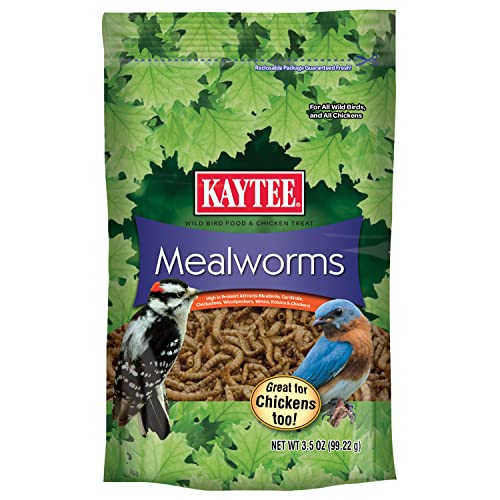
Kaytee mealworms provide a high-protein food source that appeals to bluebirds, wrens, robins, chickadees, woodpeckers, and cardinals. The product is designed as a versatile attractant, suitable for feeding alone or mixed with favored seeds. This option is ideal for owners who want a ready-to-use worm-based treat that can jumpstart interest in a backyard feeder. The blend’s energy boost helps attract species that often respond poorly to traditional seed blends.
Users report strong appeal to multiple species, making this a practical starter for new feeders or for adding mealworms to an existing feeding routine. Its packaging indicates a strong nutritional profile, which aligns with bird health goals, particularly during migration or nesting seasons. This choice works well in conjunction with other feeders to create a diverse feeding station.
Kingsyard Bluebird Feeders For Outdoors

This all-metal cage feeder combines durability with practical design features. The 1-1/2 inch fly-through openings discourage squirrels while letting bluebirds access the mealworms or other favored foods. A weather-resistant finish helps the unit withstand wind and rain, promoting year-round use. The top-lid design simplifies refilling, and the glass bowl can hold mealworms, insect suet pellets, or bluebird nuggets, enabling flexible feeding options for your yard ecosystem.
Refilling and cleaning are straightforward, making this a solid choice for busy households. The durable metal construction ensures long-term reliability, and the protective cage design helps keep larger birds and mammals out of the feeding area. If you want a sturdy, predator-aware setup that still prioritizes mealworm availability, this Kingsyard feeder is worth considering.
Gbekery Caged Bluebird Feeder For Mealworms
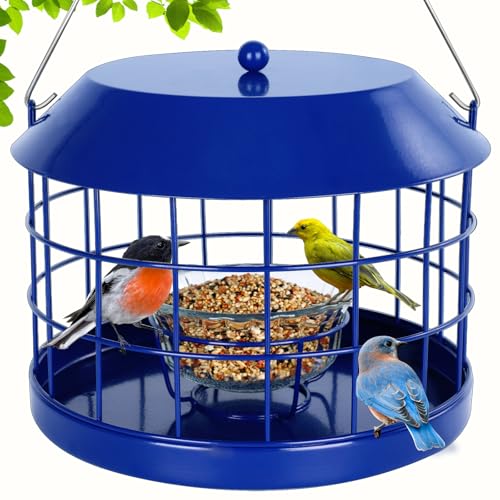
The Gbekery model emphasizes small-bird safety with a cage mesh designed to keep out larger birds and adult squirrels. The 1.5×1.5 inch opening is crafted to admit small species while excluding potential garden chewers. A glass bowl provides a visible, easy-to-fill reservoir that can hold mealworms or other feed. The stainless steel hook adds flexibility for hanging in trees or on a feeder post, enhancing placement options for maximizing bird traffic.
Durability is a core feature, as the metal construction and anti-rust coating stand up to weather conditions. The removable roof allows quick refilling and cleaning, ensuring bird hygiene remains manageable. If your goal is to prioritize small birds and minimize intruders, this feeder offers a focused, practical solution.
RANZ Non-GMO Dried Mealworms For Birds

RANZ provides 100% natural, non-GMO dried mealworms, designed as a high-protein treat for bluebirds, ducks, and other wild birds, as well as poultry and reptiles. Carefully dried to preserve flavor and nutrients, these mealworms offer a protein boost that supports egg size, feather health, and immune function. This option is suitable for both backyard birds and poultry keepers seeking a simple, additive-free feed source that integrates into various feeding setups.
RANZ emphasizes freshness and quality control, presenting a product that aligns with health-conscious feeding goals. The high crude protein content and essential oils make these mealworms a versatile choice for ongoing bird care, especially during breeding seasons or periods of high energy demand. They pair well with feeder systems that allow easy dispenser of dry, loose mealworms or mixed feeds.
Kaytee Wild Bird Seed & Mealworm Seed Cake
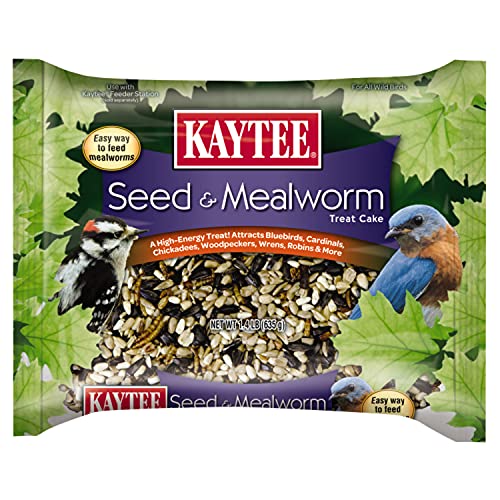
This Kaytee product blends seed and mealworms into a single cake, designed for bluebirds, chickadees, woodpeckers, and more. The seed cake format offers a convenient way to deliver mealworm-based nutrition alongside familiar seed options, potentially attracting a broader spectrum of yard birds with minimal setup. It provides a steady, accessible food source that reduces waste and mess compared with loose mealworms.
For households seeking a low-maintenance feeding approach, the cake format can minimize scattering and ensure a reliable mealworm supply within a compact footprint. As with all mealworm-based feeds, placement and protection from rain will influence the feeding experience for birds visiting the yard.
Kettle Moraine Cedar Hanging Bluebird Mealworm Feeder
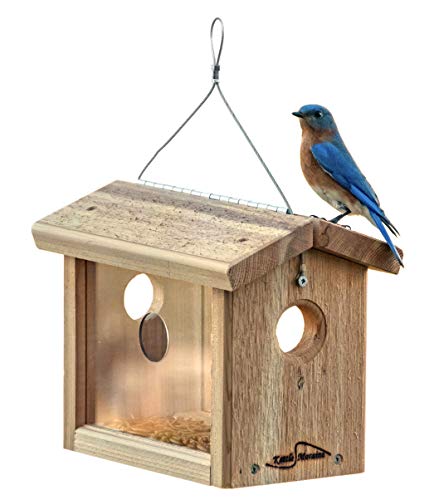
Crafted in the USA, this feeder blends solid cedar with stainless steel fastenings for strength and longevity. Its traditional hanging design, reinforced by a stainless steel hanging cable, provides a rustic, weather-tolerant option for bluebirds and other small birds. While not a cage, the sturdy construction focuses on durability and ease of use in various outdoor environments. The cedar wood naturally resists the elements, offering a classic aesthetic for porch or garden setups.
In terms of maintenance, this feeder benefits from periodic cleaning and refilling practices typical of wooden feeders. It suits yards where a natural look is preferred and where bluebirds can access mealworms or seed-based mixes without the interference of heavy feeding hardware.
WORMSKING 2LB Dried Mealworms For Birds

WORMSKING offers fresh-dried mealworms packaged for quick use with birds and poultry. The product emphasizes non-GMO, additive-free ingredients, with a focus on safety and nutritional value. The mealworms are described as dust-free and prepared to support immune function and energy needs, making them suitable for year-round feeding and winter resilience for backyard birds. This option pairs well with multiple feeder styles that can disperse loose mealworms effectively.
For households prioritizing high-protein bird nutrition without artificial additives, WORMSKING presents a practical, straightforward option. Proper storage after opening helps preserve freshness, ensuring the feed remains appealing to birds across seasons.
Kingsyard Platform Mealworm Bird Feeder

This platform feeder, built from recycled plastic, provides a large capacity (3.5 lbs) and a stable, multi-bird feeding surface. The four-chain suspension system minimizes tipping and spinning as birds land, creating a reliable feeding environment for a variety of species, including bluebirds, cardinals, woodpeckers, and other yard visitors. Its durable construction is designed to withstand rain, snow, and sun, making it suitable for year-round use. The platform design supports a range of feed types, including mealworms, seeds, and mixes.
Users should consider placement height and protection from heavy weather to maximize the platform’s effectiveness. While the feeder is versatile, ensuring a steady stream of fresh mealworms or seed mixes will help maintain ongoing bird interest and visitation throughout the year.
Buying Guide: Key Purchase Considerations And Comparisons
When choosing a mealworm feeder for birds, several factors influence long-term satisfaction and yard activity. Consider bird species in your area, feeder durability, ease of cleaning, and whether you want a cage, platform, or cake-style approach.
- Bird species and feeding needs: Small birds such as chickadees and wrens benefit from smaller openings or cages, while bluebirds may prefer accessible trays or bowls. A mix of feeder types can support a broader audience.
- Durability and weather resistance: Metal cages withstand weather and chewing, though wooden feeders offer a natural look. Platform feeders handle larger volumes but may spill more seed if not well designed.
- Safety and intruder control: Squirrel-resistant designs, cage barriers, and appropriately sized openings help protect mealworms from non-target wildlife and keep the feed accessible to intended species.
- Maintenance and cleaning: Removable roofs, easy-refill bowls, and glass or clear reservoirs simplify cleaning and help monitor feed levels. Regular cleaning reduces mold and spoilage risk.
- Feeding format flexibility: Options range from dried mealworms to live or packaged mealworm blends, and even seed cakes. Selecting a feeder compatible with your preferred format reduces waste and supports consistent feeding.
- Placement and installation: Hanging versus pole-mounted setups affect accessibility and safety. Ensure secure mounting and consider sheltered placements to reduce rain exposure for mealworms.
- Maintenance costs and replacement parts: Durable materials may have higher upfront costs but offer longer lifespans. Check for replacement parts like cages, lids, and bowls to extend product life.
In practice, many backyard setups benefit from a mix of products: a cage feeder for safe access by small birds, a platform feeder for higher capacity, and occasional mealworm cakes to simplify feeding. Pairing Kaytee mealworms with a sturdy Kingsyard feeder can create a reliable, diverse feeding station that attracts multiple species across seasons while remaining relatively low-maintenance.