Tomatoes crave balanced nutrition to set more blossoms, form bigger fruit, and resist common issues like blossom end rot. This guide reviews top fertilizers tailored for fruiting tomatoes and helps you pick the right formulation for in-ground beds, raised beds, or containers. Below is a quick snapshot of five widely recommended options, focusing on nutrient balance, availability of calcium, and organic versus synthetic preferences.
| Product | Brand | Why It’s Great For Fruiting |
|---|---|---|
| Farmer’s Secret Tomato Booster Fertilizer (32oz) | Farmer’s Secret | High concentration with 3:8:7 NPK, fortified with humic acid, iron and calcium |
| Miracle-Gro Shake ‘N Feed Tomato, Fruit & Vegetable | Miracle-Gro | Up to 3 months of feeding, includes calcium to support fruit quality |
| Miracle-Gro Water Soluble Tomato Plant Food | Miracle-Gro | Instant feeding with flexible foliar or root application for rapid results |
| Espoma Tomato-Tone 3-4-6 with 8% Calcium | Espoma | Organic, contains calcium to help prevent blossom end rot and encourage fruiting |
| Espoma Organic 8 Ounce Concentrated Tomato Plant Food | Espoma | Organic liquid option, easy-to-use with essential nutrients for tomatoes |
Farmer’s Secret Tomato Booster Fertilizer

Farmer’s Secret Tomato Booster is designed for robust tomato growth across life stages. It features a concentrated 3:8:7 NPK ratio with additional humic acid, iron, and calcium to support strong root systems, fruit set, and overall plant health. The product highlights emphasize that a small amount yields significant growth, making it suitable for gardeners seeking efficiency and performance in both traditional and container gardens.
Miracle-Gro Shake ‘N Feed Tomato, Fruit & Vegetable Plant Food

This granular Miracle-Gro formula feeds for up to three months, nourishing both above and below ground. It includes calcium to support stronger cell walls, contributing to better fruit quality and longer-lasting harvests. It’s suitable for in-ground, outdoor containers, and indoor setups, offering reliable, long-term nutrition for tomato plants of all varieties.
Miracle-Gro Water Soluble Tomato Plant Food
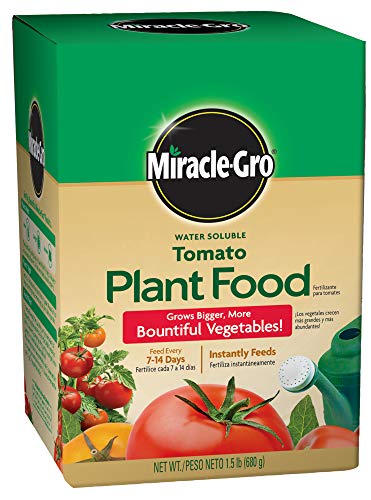
Miracle-Gro Water Soluble Tomato Plant Food offers rapid nutrient delivery, ideal for quick tweaks in growth and flowering. It’s designed for versatile use—dissolve in water and apply through roots or foliar spray. Regular use every 1-2 weeks can help plants produce larger, more abundant fruit, particularly when plants are actively flowering and setting fruit.
Jobe’s Organics Granular Garden Fertilizer

Jobe’s Organics provides a 2-5-3 NPK with organic, OMRI-listed ingredients designed to feed vegetables and tomatoes with a steady nutrient supply. Its organic basis supports soil health and reduces reliance on synthetic inputs, aligning with eco-conscious garden practices. The granular format helps minimize waste and is suitable for established beds and new plantings alike.
Espoma Tomato-Tone 3-4-6 with 8% Calcium

Espoma Tomato-Tone is an organic option formulated specifically for tomatoes. The 3-4-6 analysis, boosted with calcium, supports steady fruit development and helps prevent blossom end rot. The fertilizer is designed for use every two weeks throughout the growing season, with a ready-to-use format that simplifies application around the drip line and after watering.
Espoma Organic Tomato Plant Food Concentrate

This liquid tomato fertilizer from Espoma provides essential nutrients for all tomato varieties and other vegetables. It’s marketed as organic and pet-friendly when used as directed. The product is simple to use—mix per label instructions and apply at recommended intervals to support plump, productive fruit and healthy foliage.
Buying Guide: Key Purchase Considerations For Fruiting Tomatoes
Choosing the right fertilizer depends on your growing method, local soil conditions, and whether you prefer organic or synthetic options. Consider the following perspectives to guide your decision:
- Nutrient balance: Fruiting tomatoes benefit from balanced NPK ratios that emphasize phosphorus and potassium during flowering and fruiting, with enough calcium to prevent blossom end rot.
- Calcium availability: Calcium helps with fruit quality and reduces cracking and blossom end rot. Some formulas include calcium; organic options may rely on amendments like lime or gypsum.
- Application method: Granular fertilizers work well for steady, long-term feeding, while water-soluble and liquid products provide quick, adjustable feeding. Foliar feeding can supplement soil-based feeding during peak growth.
- Organic versus synthetic: Organic fertilizers support soil biology and long-term health but may act slower. Synthetic options often deliver nutrients more quickly and predictably, which is useful for troubleshooting.
- Soil health and runoff: Avoid over-fertilization, which can harm beneficial microbes and cause nutrient runoff. OMRI-listed products indicate organic certification suitable for organic gardening.
- Plant stage and container size: Seedlings and small transplants require gentler feeding, while established plants in larger containers or in-ground beds can tolerate stronger formulations.
- Ease of use and scheduling: Consider how often you can apply fertilizer and whether a single-application concentrate or a multi-month feeder best matches your routine.
In practice, many gardeners use a combination strategy: a robust base feed early in the season with a calcium-inclusive organic option to prevent fruit disorders, followed by a quick-acting feed during peak fruit production. When selecting a product, verify compatibility with your watering routine and whether you prefer granular, water-soluble, or liquid formats to align with your garden setup and maintenance schedule.