For families seeking engaging, educational, and hands-on activities, a kid-friendly vegetable garden kit can turn gardening into a science project and a daily learning moment. This article highlights five beginner-friendly kits that blend biology, ecology, and practical growing skills. Each option provides transparent observation, seed packets, and kid-focused instructions to spark curiosity while teaching responsibility and patience.
| Product | Brand | Key Benefit | Ideal For |
|---|---|---|---|
| Discovery Edible Veggie Garden Watch-It-Grow Kit | Discovery Kids | See roots grow below the surface with a transparent garden container | Young scientists ages 6+ |
| Gardening Root Viewer for Kids | HopeTiger | Dual growing options: soil and hydroponic for speed and visibility | Curious learners who want hands-on root observation |
| Root Viewer Kit for Kids | Geynaw | King-size observation window for underground plant parts | Creative beginners who enjoy decorating and recording progress |
| HERSITY Carrot Harvest Game | HERSITY | Imaginative pretend gardening with realistic harvest play | Preschool to early elementary learners |
| My Little Garden | Imagination Generation | Realistic garden tools and a “Grower’s Guide” for kids | Young gardeners eager to simulate a full harvest |
Discovery Edible Veggie Garden Watch-It-Grow Kit

This all-inclusive STEM kit enables kids to grow carrots, radishes, and spring onions from seed. It includes a transparent garden container, drainage tray, seed packets, potting mix, a root ruler, and seed ID flags. The see-through design makes plant growth visible from root to stem, fostering curiosity and understanding of biology and agriculture. The kit is ideal for classrooms and home learning environments aiming to combine science with practical gardening activities.
Gardening Root Viewer for Kids

HopeTiger’s Root Viewer offers two growing methods: soil and hydroponics. This includes a transparent root viewer, hydroponic basket, soil pods, aquatic pod, a spray bottle, and plant labels. Seeds vary to support a full learning cycle—students observe root and shoot development, compare growth methods, and gain hands-on experience with plant biology and STEM concepts. The kit emphasizes experimentation, record-keeping, and problem-solving as plants grow.
Root Viewer Kit for Kids

The Geynaw Root Viewer Kit provides a large transparent observation window, enabling children to watch root systems develop. It includes a 15-piece set with a guidebook, stickers, and a growth diary to track progress. The design emphasizes experiential learning, motor skills, and creativity as kids decorate the container and document growth stages. It supports independent STEM exploration and collaborative classroom activities.
HERSITY Carrot Harvest Game

HERSITY’s Carrot Harvest Game blends pretend play with farming basics. The set includes a planting box, watering can, tools, and multiple pretend vegetables. It supports imaginative role-play, fine motor development, and early education through a gardening-themed storytelling and harvesting experience. This option is suitable for younger children who benefit from tactile, imaginative play alongside basic gardening concepts.
My Little Garden
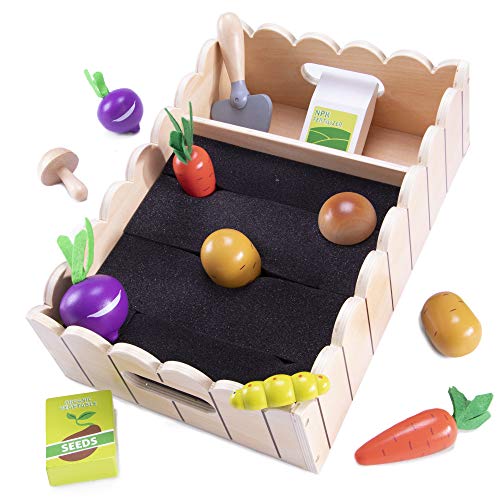
My Little Garden introduces children to growing tubers and vegetables with a wooden playset that includes carrots, beets, potatoes, mushrooms, and grow tools. The accompanying Grower’s Guide teaches essential veggie facts, while the realistic tools build fine motor skills and confidence. This option bridges pretend play and basic horticulture for a hands-on, early science experience.
Buying Guide: Key Purchase Considerations
- Age and development stage: Choose kits that match the child’s curiosity and motor skills. Younger kids benefit from pretend play elements and large, durable components; older kids can handle more complex setups with root visibility and record-keeping.
- Learning objectives: Prioritize kits that emphasize plant biology, root growth, photosynthesis basics, and responsible care. Transparent containers or hydroponic options enhance observation and inquiry.
- Material quality and safety: Look for BPA-free plastics, wood components, and non-toxic seed packets. Ensure pieces are sturdy enough for hands-on use and classroom settings.
- Growth method variety: Some kits offer soil-based and hydroponic options, enabling side-by-side comparisons of growth rates and root development. This enriches STEM learning and critical thinking.
- Included materials: Seed variety, potting mix, root rulers, plant labels, and guides add value. A comprehensive kit reduces the need for extra purchases and simplifies setup.
- Storage and cleanup: Consider kits with resealable packaging, washable components, and easy-to-clean containers to sustain long-term use in home or classroom environments.
- Scalability: For families or classrooms with multiple learners, evaluate whether kits can be expanded with additional seeds or compatible accessories to accommodate more participants.
- Educational support: Guides or diaries that encourage observation, journaling, and data recording support the learning process and align with school science standards.