Gardening with dogs in the yard can be a challenge when you want to protect plants from nibbling, digging, or unwanted pests. The following hand-picked products offer pet-safe, plant-friendly options—ranging from essential-oil sprays to motion-activated deterrents—that help keep dogs away from treated areas while safeguarding your greenery. This guide highlights five effective choices with plant-safe formulations and practical use cases for both outdoor and indoor spaces.
| Product | Brand | Type | Key Benefit |
|---|---|---|---|
| Mighty Mint Peppermint Oil Rodent Repellent Spray | Mighty Mint | Spray | Extra-strong peppermint formula for indoor/outdoor rodent deterrence |
| Mighty Mint Peppermint Oil Insect Repellent Spray | Mighty Mint | Spray | Plant-based insect deterrent for various pests |
| Vet’s Best Natural Mosquito Repellent Spray | Vet’s Best | Spray | DEET-free, plant-based mosquito protection for pets |
| Fresh Cab Rodent Repellent | Fresh Cab | Rodent repellent | Botanical, indoor-safe rodent deterrent |
| CKCOEO Solar Ultrasonic Animal Repellent | CKCOEO | Electronic deterrent | Motion-activated ultrasonic and LED deterrence for multiple animals |
The table above summarizes products that align with dog-safe garden protection. Read on for detailed product sections, practical application tips, and a buying guide that compares methods, safety, and effectiveness.
Mighty Mint Peppermint Oil Insect Repellent Spray
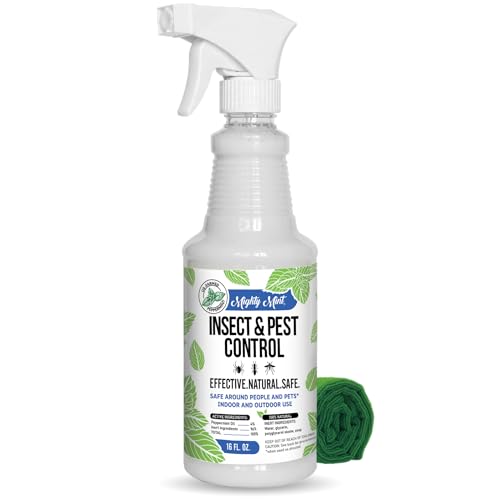
Mighty Mint Peppermint Oil Insect Repellent Spray uses extra-concentrated peppermint oil to deter spiders, ants, roaches, and other common indoor and outdoor pests. It is marketed as pet-friendly and safe when used as directed, avoiding harsh fumes or dangerous chemicals. The plant-based formula makes it a popular option for gardeners seeking a natural barrier around entryways, patios, and plant beds without resorting to strong synthetic pesticides. Spray areas where children and dogs frequent, following label directions to minimize exposure to sensitive surfaces.
Mighty Mint Peppermint Oil Rodent Repellent Spray

This rodent-focused spray leverages peppermint oil to deter mice and rats from gardens, garages, and entry points. The formula emphasizes safety around pets, particularly dogs and cats, when used as directed. Apply to baseboards, around plant beds, or near fence lines to create a peppermint-scented barrier that discourages gnawing and nesting without introducing harsh chemicals into your yard.
Cat Deterrent Outdoor & Indoor: 10Pack Ball

Although labeled for cats, these natural deterrent balls use essential oils and a citrus scent to create an unsavory zone for pets and wildlife around plant beds. The balls are designed for both indoor and outdoor use and are described as safe for humans, pets, and plants when used as directed. Place them along garden borders or near fragile seedlings to help prevent cats from digging or marking in treated areas, which can indirectly benefit dogs by preserving plant health.
Vet’s Best Natural Flea and Tick Spray for Dogs

Vet’s Best Natural Flea and Tick Spray offers a plant-based approach to pest control for households with dogs. While primarily aimed at fleas and ticks, the product’s use of certified natural ingredients, including peppermint oil and eugenol, provides an additional repellent effect that can deter pests from garden-adjacent areas. It is marketed as non-toxic and suitable for home use, aligning with pet owners seeking garden-friendly treatments that minimize chemical exposure for pets.
Fresh Cab Rodent Repellent – 4-Pack

Fresh Cab offers a botanical solution for indoor rodent control using plant fibers and balsam fir essential oil. Designed to be safe for homes with children and pets when used as directed, it provides a natural alternative to chemical rodent repellents. While particularly popular in basements and storage spaces, it can be positioned along garden perimeters or near plant beds to reduce rodent activity around valued plants while maintaining a pet-friendly environment.
CKCOEO Solar Ultrasonic Animal Repellent
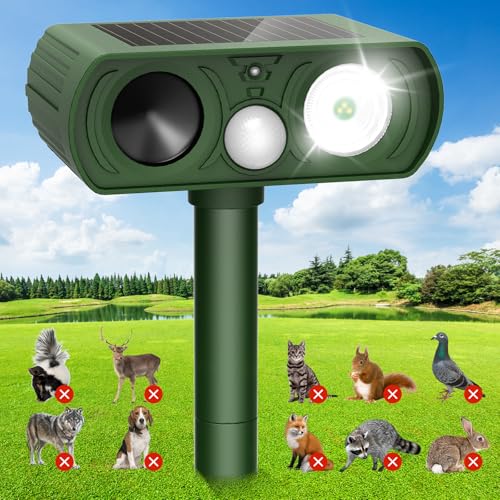
This solar-powered device uses motion detection to activate ultrasonic sounds and LED strobes, deterring a range of animals including dogs, cats, deer, raccoons, squirrels, and more. With a wide detection angle and range, it can protect larger plant beds or entire borders. It is a non-chemical option that suits pet owners looking for a humane, maintenance-friendly deterrent that works outdoors without direct contact or sprays near plants.
Buying Guide: Key Purchase Considerations
- Target pests and pets: Determine whether you need deterrents for dogs, rodents, insects, or a combination. Some products are pet-friendly but not specifically designed for canine areas, while others focus on rodents or wildlife that threaten plants.
- Safety around dogs: Prioritize solutions labeled as safe for households with dogs when used as directed. Plant-based sprays, natural essential oils, and non-chemical deterrents reduce risk of exposure for pets.
- Indoor vs outdoor use: Choose products designed for the spaces you protect. Sprays are versatile for doorways and plant beds; ultrasonic devices are best for larger, outdoor perimeters.
- Application and maintenance: Consider ease of application, reapplication frequency, and whether the product leaves residues or odors that may affect pets or plants.
- Environmental impact: Opt for biodegradable or plant-based formulations to minimize ecological effects in outdoor spaces and protect beneficial garden life.
- Coverage area: Assess coverage per unit to plan how many products are needed for your garden size, fence lines, and patio zones.
- Durability and weather resistance: For outdoor use, ensure sprays and deterrents hold up to sun and rain or are designed for continuous operation without frequent replacement.
- Multi-species considerations: If other pets or wildlife frequent your garden, select deterrents that address a broad range of species without harming non-target animals.
Choosing a combination can offer layered protection: plant-based sprays for direct plant protection, rodent deterrents near compost and garden borders, and motion-activated devices for perimeter defense. Always follow label directions, test on a small garden section first, and observe your dog’s behavior to ensure safety and effectiveness.